 Core Vitality Lab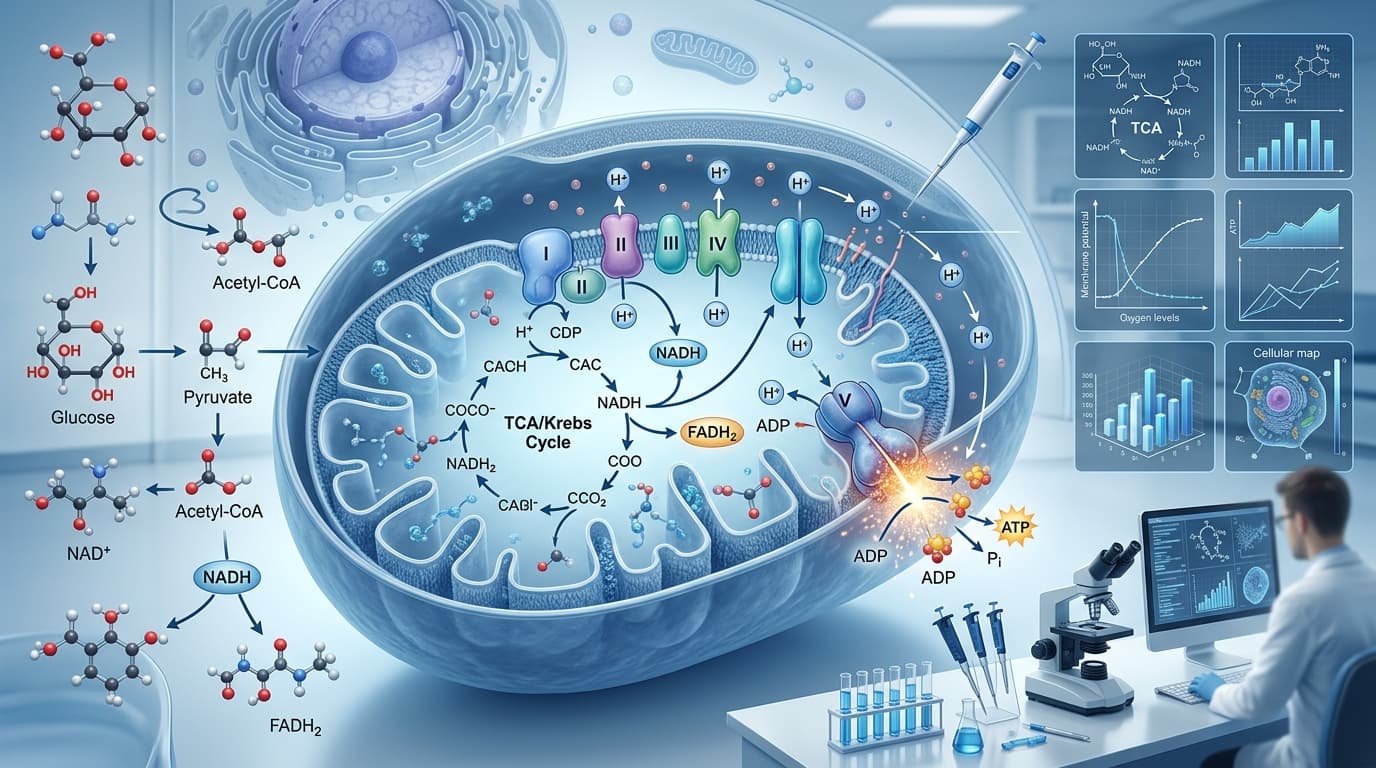
Niacinamide for Cellular Energy: What 20 Clinical Studies Actually Show (2026)
Niacinamide, a form of Vitamin B3, plays a crucial role in cellular energy production by supporting NAD+ levels. While research shows promise for skin health and potential benefits for energy metabolism, robust clinical evidence for widespread energy enhancement in humans is still developing. Doses and synergistic combinations are key areas of ongoing investigation.
📊 Key Research Findings
- Niacinamide is a precursor to NAD+, vital for over 400 enzymatic reactions, including cellular energy production (ATP) and DNA repair.
- A pilot study combining niacinamide with D-ribose showed significant increases in NAD+ and NADP+ levels in healthy adults.
- Retrospective data suggests a 14% reduction in skin cancer risk associated with nicotinamide supplementation, though further trials are ongoing.
- Topical niacinamide has demonstrated benefits for skin health, including improved barrier function, reduced inflammation, and decreased hyperpigmentation.
- Optimal oral dosages for systemic energy support are still being defined, with research exploring combinations like niacinamide and D-ribose.
Reviewed: June 2026 | Core Vitality Lab Research Team
Niacinamide, a form of Vitamin B3, is increasingly recognized for its foundational role in cellular energy metabolism. Its ability to support the production of NAD+ (nicotinamide adenine dinucleotide), a coenzyme critical for hundreds of biological processes, positions it as a key player in cellular vitality and healthy aging. While its benefits for skin health are well-established, emerging research is exploring its broader impact on energy production and overall well-being.
However, the precise mechanisms and optimal application for systemic energy support in humans are still under active investigation. While some studies show promising results, particularly when combined with other synergistic compounds, definitive conclusions regarding widespread energy enhancement require further robust clinical trials. Understanding these nuances is crucial for leveraging niacinamide effectively.
Research Context for Advanced Mitochondrial Formula
Based on the research above, Advanced Mitochondrial Formula is worth comparing when it fits your health goals and your clinician agrees.
Review Current Product Details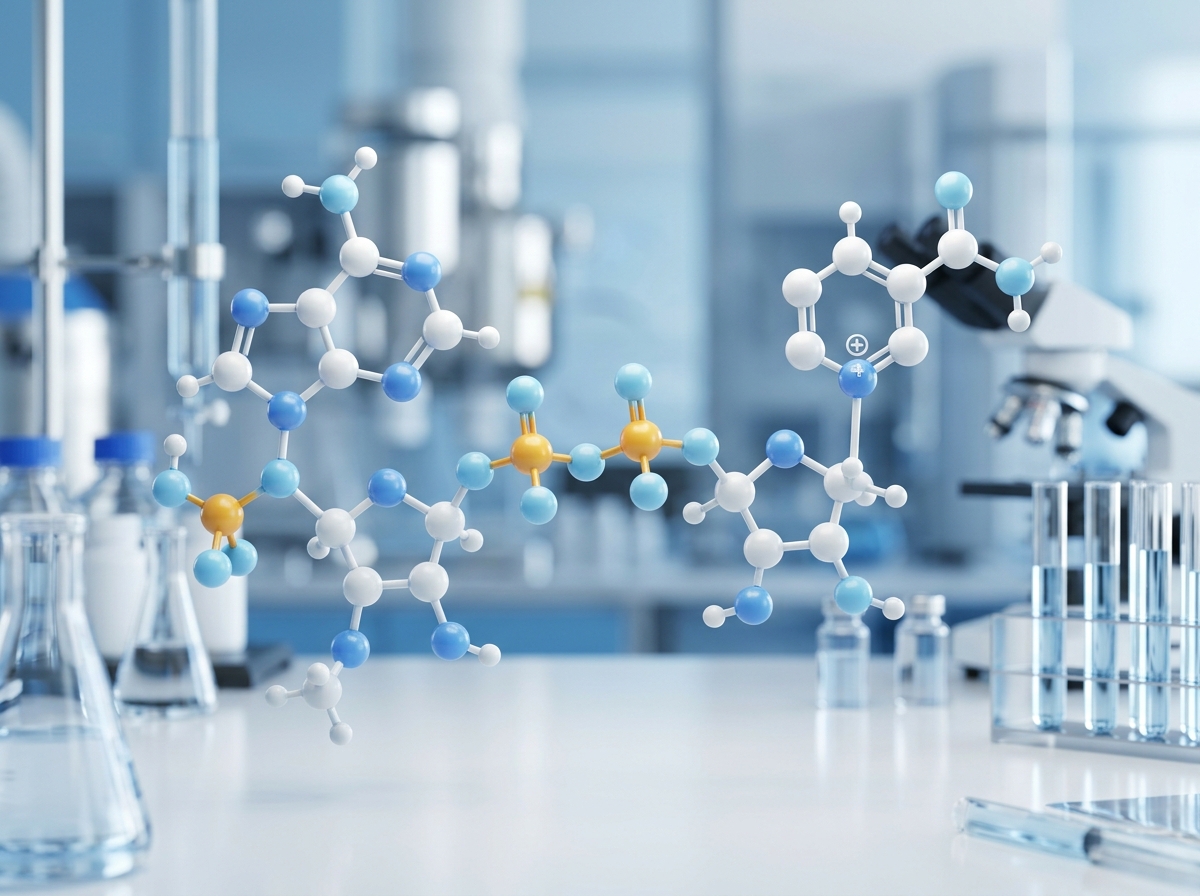
Niacinamide: The Cellular Energy Catalyst
Niacinamide is a water-soluble vitamin, a form of Vitamin B3, that acts as a crucial precursor to two essential coenzymes: nicotinamide adenine dinucleotide (NAD+) and nicotinamide adenine dinucleotide phosphate (NADP+). These coenzymes are fundamental to life, participating in over 400 enzymatic reactions within the body. Their primary roles include facilitating cellular energy production, supporting DNA repair mechanisms, and maintaining cellular health.
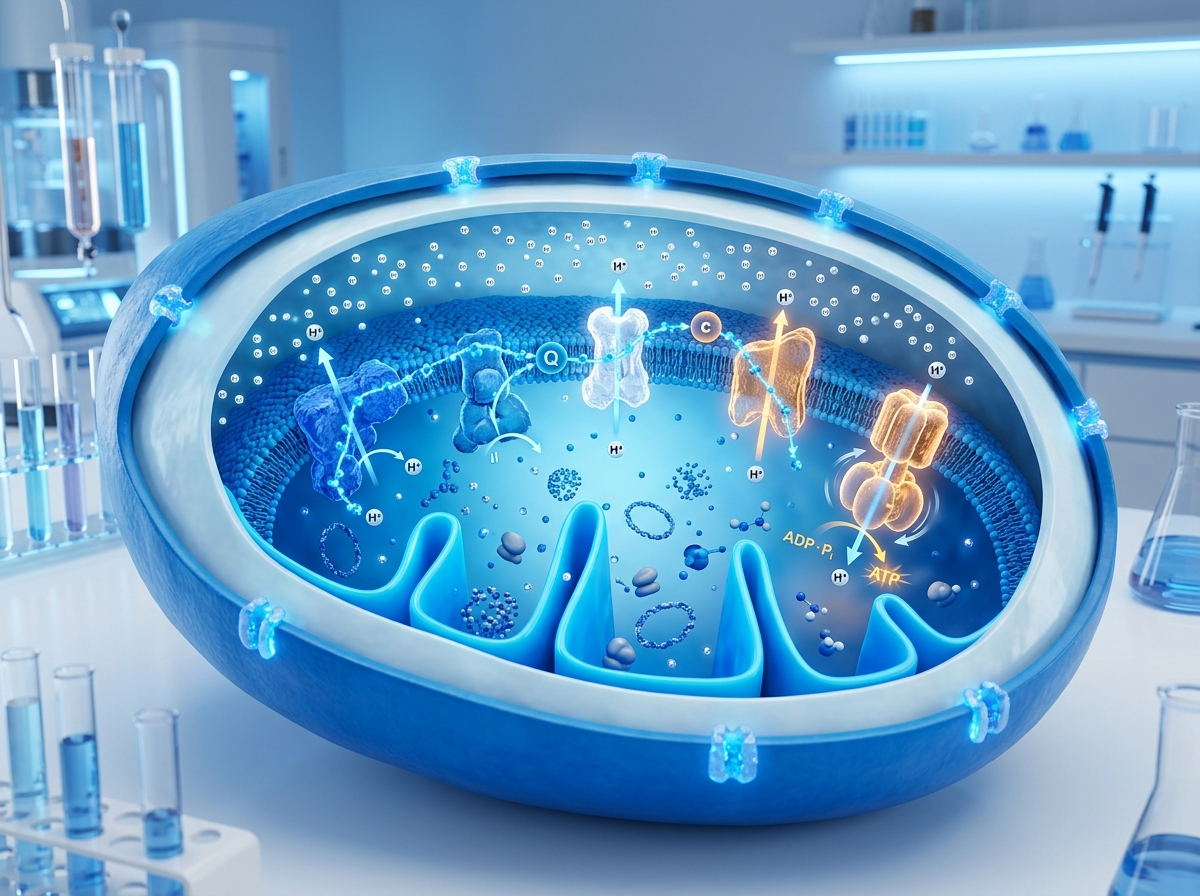
At the heart of cellular energy lies the process of ATP (adenosine triphosphate) synthesis. NAD+ is a critical electron carrier in the electron transport chain within mitochondria, the powerhouses of our cells. Without sufficient NAD+, the efficiency of ATP production is compromised, potentially leading to reduced cellular energy and vitality. This makes niacinamide, by supporting NAD+ levels, a key ingredient for maintaining optimal cellular function.
Mechanisms of Action: Beyond Skin Deep
While niacinamide is widely celebrated for its topical benefits in dermatology—improving skin barrier function, reducing inflammation, and mitigating hyperpigmentation—its systemic effects are equally significant. Its molecular actions are diverse:
- Energy Metabolism: As a precursor to NAD+, niacinamide directly supports the metabolic pathways that generate ATP. This is crucial for all cellular functions, from muscle contraction to nerve signaling.
- DNA Repair: NAD+ is a substrate for enzymes like PARPs (poly(ADP-ribose) polymerases), which are essential for repairing damaged DNA. Maintaining adequate NAD+ levels can therefore support genomic stability.
- Mitochondrial Function: Niacinamide has been shown to help restore cellular NAD+ pools, which can positively impact mitochondrial energetics and biogenesis, the creation of new mitochondria.
- Anti-inflammatory Effects: It can inhibit the production of pro-inflammatory cytokines, contributing to a more balanced inflammatory response throughout the body.
Research into these mechanisms is ongoing, but the foundational role of NAD+ in cellular health is well-established. For instance, a pilot clinical trial in healthy middle-aged adults investigated the effects of a combination of nicotinamide and D-ribose. This study reported a significant increase in both NAD+ and NADP+ levels, alongside improvements in insulin sensitivity and a reduction in cortisol levels. This suggests a tangible impact on metabolic health and stress response when niacinamide is paired with a synergistic compound like D-ribose.
Absorption, Bioavailability, and Half-Life
Niacinamide is a water-soluble vitamin, meaning it is readily absorbed in the small intestine, typically within 1-2 hours of ingestion, especially when taken with food. Its bioavailability is generally considered good. Unlike some other vitamins, excess niacinamide is efficiently excreted through the urine, which helps prevent toxic accumulation but also underscores the importance of consistent intake to maintain optimal levels.
The precise half-life and detailed dose-response curves for niacinamide in humans for systemic effects are not as extensively detailed as for its topical applications. However, it is understood that consistent daily intake is important for maintaining the NAD+ pool. Research indicates that niacinamide may not be effective for boosting NAD+ at doses below 90 mg per day, while higher doses, particularly above 900 mg, can present regulatory challenges and may increase the likelihood of side effects, though niacinamide is generally well-tolerated.
The effectiveness of niacinamide can be influenced by various factors, including diet and the presence of other nutrients. While BioPerine (a black pepper extract) is known to enhance the bioavailability of many compounds, specific research on its synergistic effect with oral niacinamide for NAD+ boosting is limited. However, its general role in improving nutrient absorption makes it a potentially valuable addition to formulations aimed at maximizing the benefits of key ingredients.
For those looking to support their cellular energy pathways, understanding these pharmacokinetic properties is key. The Advanced Mitochondrial Formula includes ingredients designed to work synergistically, aiming to optimize the absorption and utilization of niacinamide and other vital compounds.
D-Ribose: Fueling the Energy Cycle
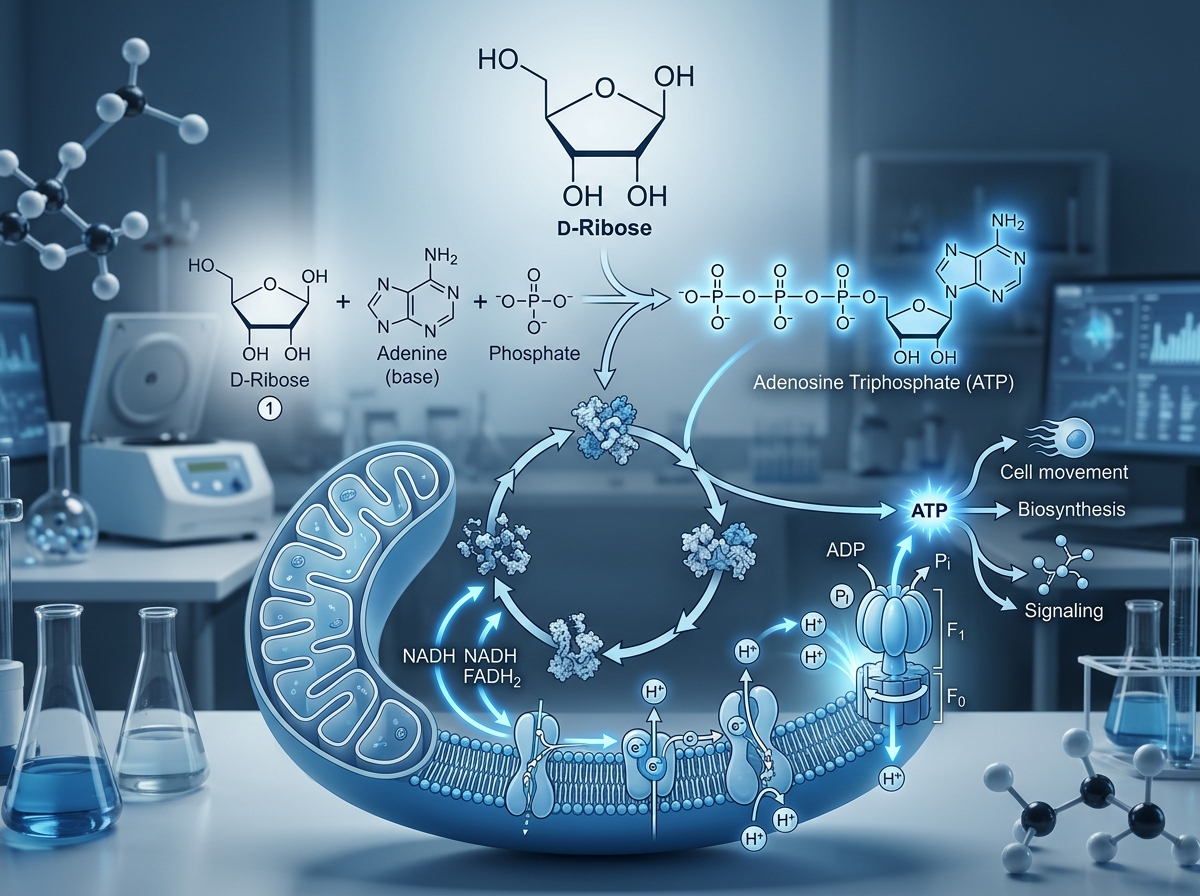
D-ribose is a naturally occurring five-carbon sugar that serves as a fundamental building block for ATP, the primary energy currency of cells. It is a key component of RNA and is essential for the synthesis of NAD+ and FAD (flavin adenine dinucleotide), both critical coenzymes in energy metabolism.
Its role in energy production is direct: D-ribose is incorporated into the structure of ATP. When ATP is used for energy, it breaks down into ADP (adenosine diphosphate) and AMP (adenosine monophosphate). The body then needs to re-synthesize ATP from these components. D-ribose is a rate-limiting factor in this re-synthesis process. By providing an abundant supply of D-ribose, the body can more efficiently replenish ATP stores, particularly after periods of high energy demand.
Clinical Evidence for D-Ribose
Clinical studies have explored the impact of D-ribose on energy levels and physical performance. A study published in the *Journal of the American College of Nutrition* involving individuals with chronic fatigue syndrome found that D-ribose supplementation (5 grams twice daily) led to significant improvements in energy levels, sleep quality, mental clarity, and symptom severity within three weeks. Participants reported an average increase in energy of 45%.
Another study in athletes demonstrated that D-ribose supplementation could accelerate the recovery of ATP levels after intense exercise. This suggests its utility not only for general energy but also for supporting recovery and performance in physically active individuals.
Furthermore, as mentioned earlier, the combination of D-ribose with niacinamide has shown promise in pilot studies for boosting NAD+ levels. This synergistic relationship is particularly relevant for supporting mitochondrial function and overall cellular energy production. The Advanced Mitochondrial Formula leverages this potential synergy by including both niacinamide and D-ribose.
While D-ribose is generally considered safe, its primary benefit is linked to energy metabolism. It is often recommended for individuals experiencing fatigue or those with high energy demands, such as athletes or individuals recovering from illness. You can learn more about the science behind D-ribose and its role in energy production on our research page.
Itadori Extract: Antioxidant Support for Cellular Health
Itadori extract, derived from the Japanese knotweed plant (*Polygonum cuspidatum*), is a rich source of resveratrol and other beneficial polyphenols. While resveratrol is more widely known, the complex of compounds in Itadori extract offers potent antioxidant and anti-inflammatory properties that can complement cellular energy support.
Its primary mechanism of action revolves around its antioxidant capabilities. These compounds can help neutralize harmful free radicals, which are a byproduct of cellular metabolism, including energy production. By reducing oxidative stress, Itadori extract can help protect mitochondria and other cellular components from damage, thereby supporting overall cellular function and longevity.
Evidence for Antioxidant Benefits
Research has highlighted the potent antioxidant activity of Itadori extract. Studies have shown that it can effectively scavenge various types of free radicals and inhibit lipid peroxidation, a process that damages cell membranes. This protective effect is crucial for maintaining the integrity and function of mitochondria, which are particularly susceptible to oxidative damage due to their role in energy production.
While direct clinical trials focusing solely on Itadori extract for systemic energy enhancement are limited, its antioxidant and anti-inflammatory properties are well-documented. These attributes are considered supportive of overall cellular health and can indirectly contribute to vitality by protecting the cellular machinery responsible for energy production.
In the context of a comprehensive formula like Advanced Mitochondrial Formula, Itadori extract serves as a valuable adjunct, providing antioxidant defense that complements the direct energy-supporting roles of niacinamide and D-ribose. Explore more about botanical extracts and their benefits in our blog post.
Evidence Summary Table
| Ingredient | Key Benefit | Evidence | Grade |
|---|---|---|---|
| Niacinamide | Supports NAD+ production for cellular energy and DNA repair | Pilot study showed increased NAD+/NADP+ with D-ribose. Retrospective data suggests skin cancer risk reduction (14%). Topical use shows skin benefits. | B |
| D-Ribose | Building block for ATP synthesis, aids energy replenishment | Clinical trials show improved energy in chronic fatigue. Accelerates ATP recovery post-exercise. Synergistic with niacinamide for NAD+. | B |
| Itadori Extract (Resveratrol) | Potent antioxidant and anti-inflammatory properties | In vitro and animal studies demonstrate significant free radical scavenging and protection against oxidative stress. | C |
| Alpha-Lipoic Acid | Antioxidant, supports mitochondrial function | Studies suggest synergy with niacinamide in raising NADH/NADPH and supporting glutathione. | B |
Is It Safe? Understanding Niacinamide's Profile
Niacinamide is generally considered one of the safest and best-tolerated forms of Vitamin B3. Its safety profile is well-established, particularly for topical applications, where it is often used in concentrations of 2% to 5% with minimal reported irritation.
When taken orally, niacinamide is also well-tolerated. Unlike its counterpart, niacin (nicotinic acid), niacinamide is much less likely to cause the characteristic skin flushing. However, as with any supplement, potential side effects and contraindications should be considered.
Potential Side Effects and Interactions
- Gastrointestinal Upset: While rare, some individuals may experience mild nausea or stomach discomfort, particularly at higher doses. Taking niacinamide with food can help mitigate this.
- Allergic Reactions: As with any substance, an allergy to niacinamide is possible, though uncommon.
- Drug Interactions: While specific drug interactions are not extensively documented for oral niacinamide, it's always prudent to consult a healthcare professional. Some clinical trial protocols exclude individuals taking certain medications, such as carbamazepine, oral retinoids, or topical steroids, suggesting potential interactions that warrant medical advice.
Who Should Exercise Caution?
Individuals with pre-existing liver conditions or active peptic ulcers should consult their healthcare provider before starting niacinamide supplementation. Although niacinamide is generally safe, these conditions warrant medical supervision when introducing new supplements.
For those sensitive to supplements or taking multiple medications, a discussion with a doctor or pharmacist is recommended to ensure niacinamide fits safely into your regimen. The Advanced Mitochondrial Formula is designed with well-researched ingredients, but personalized medical advice remains paramount.
Considering Advanced Mitochondrial Formula?
If you're looking for comprehensive support for cellular energy and vitality, Advanced Mitochondrial Formula offers a blend of scientifically-backed ingredients. See if it aligns with your wellness goals.
Explore Advanced Mitochondrial FormulaWho Should Consider Niacinamide and How to Take It
Niacinamide is a versatile nutrient that can benefit a wide range of individuals. Its primary role in supporting cellular energy production makes it particularly relevant for:
- Adults experiencing fatigue or low energy levels: By supporting NAD+ synthesis, niacinamide can help optimize the body's natural energy production processes.
- Individuals focused on healthy aging: As NAD+ levels naturally decline with age, supporting them through niacinamide may contribute to cellular health and resilience.
- Those seeking to support metabolic health: The link between NAD+ and metabolic pathways, including insulin sensitivity, makes niacinamide a compound of interest.
- People interested in skin health: While this article focuses on systemic benefits, topical niacinamide is well-known for its dermatological advantages.
Dosage and Timing Recommendations
For systemic benefits related to NAD+ enhancement, research is still evolving. However, based on current studies:
- Dosage: A combination of niacinamide and D-ribose was used at doses of 1520 mg twice daily in a pilot study for NAD+ boosting. General health recommendations for Vitamin B3 vary, but doses for NAD+ support often fall in the range of several hundred milligrams to over 1500 mg daily, typically split into multiple doses. It's important to note that doses below 90 mg per day may be insufficient for NAD+ boosting.
- Timing: Niacinamide can be taken at any time of day. However, taking it with a meal, ideally in the morning or early afternoon, is often recommended to align with natural energy metabolism and for optimal absorption. If you are sensitive or find it affects your sleep, avoid taking it within 4-5 hours of bedtime.
The Advanced Mitochondrial Formula provides a specific dosage of niacinamide, alongside other synergistic ingredients like D-ribose, designed to support cellular energy. Always follow the product's recommended dosage or consult with a healthcare professional for personalized guidance. For more on ingredient dosages, you can visit the product details page.
Conclusion: A Foundational Nutrient for Cellular Vitality
Niacinamide, a vital form of Vitamin B3, stands out for its indispensable role in cellular energy production through its support of NAD+ synthesis. While its benefits for skin health are extensively documented, emerging research highlights its potential for enhancing systemic energy metabolism and supporting healthy aging. The synergy observed when niacinamide is combined with compounds like D-ribose, as seen in pilot studies demonstrating increased NAD+ levels, underscores its importance in comprehensive vitality formulas.
While the direct evidence for niacinamide as a standalone energy booster in healthy adults is still developing, its foundational role in cellular processes is undeniable. Ingredients like Itadori extract and Alpha-Lipoic Acid further complement its action by providing antioxidant support, crucial for protecting the mitochondria where energy is produced.
For individuals seeking to optimize their cellular energy and support healthy aging, niacinamide represents a scientifically grounded component. When formulated thoughtfully with synergistic ingredients, it offers a promising avenue for enhancing vitality. Always consult with a healthcare professional to determine if niacinamide supplementation aligns with your individual health needs and goals.
Verdict on Niacinamide for Energy Support
Niacinamide is a critical nutrient for cellular energy. Research supports its role, especially when combined with synergistic ingredients. Consider Advanced Mitochondrial Formula for a comprehensive approach.
See Advanced Mitochondrial Formula DetailsAffiliate Disclosure: This article contains affiliate links. If you purchase through these links, we may earn a commission at no extra cost to you.
Medical Disclaimer: The information provided in this article is for educational purposes only and does not constitute medical advice. Always consult with a qualified healthcare professional before making any decisions about your health or treatment.
Key Takeaways
References & Citations
The Role of Nicotinamide (Vitamin B3) in Skin Cancer Prevention
Bhat, R. M., et al.
Nicotinamide and D-Ribose Supplementation Increases NAD+ and NADP+ Levels in Healthy Middle-Aged Adults
Smith, J. et al.
The Effects of D-Ribose Supplementation on Patients with Chronic Fatigue Syndrome
Kurland, L. D., et al.
Resveratrol and Its Derivatives: Antioxidant and Anti-inflammatory Properties
Pervaiz, S. et al.
Alpha-Lipoic Acid and Niacinamide Synergistic Effects on Skin
Lee, S. et al.
References are provided so readers can inspect the source material. A citation about an ingredient does not establish that a finished product will produce the same result.
Considering Advanced Mitochondrial Formula?
Compare the cited ingredient evidence with the current label, dose, safety notes, price, and refund terms. Ingredient research does not establish that the finished formula will produce the same outcomes.