 Core Vitality Lab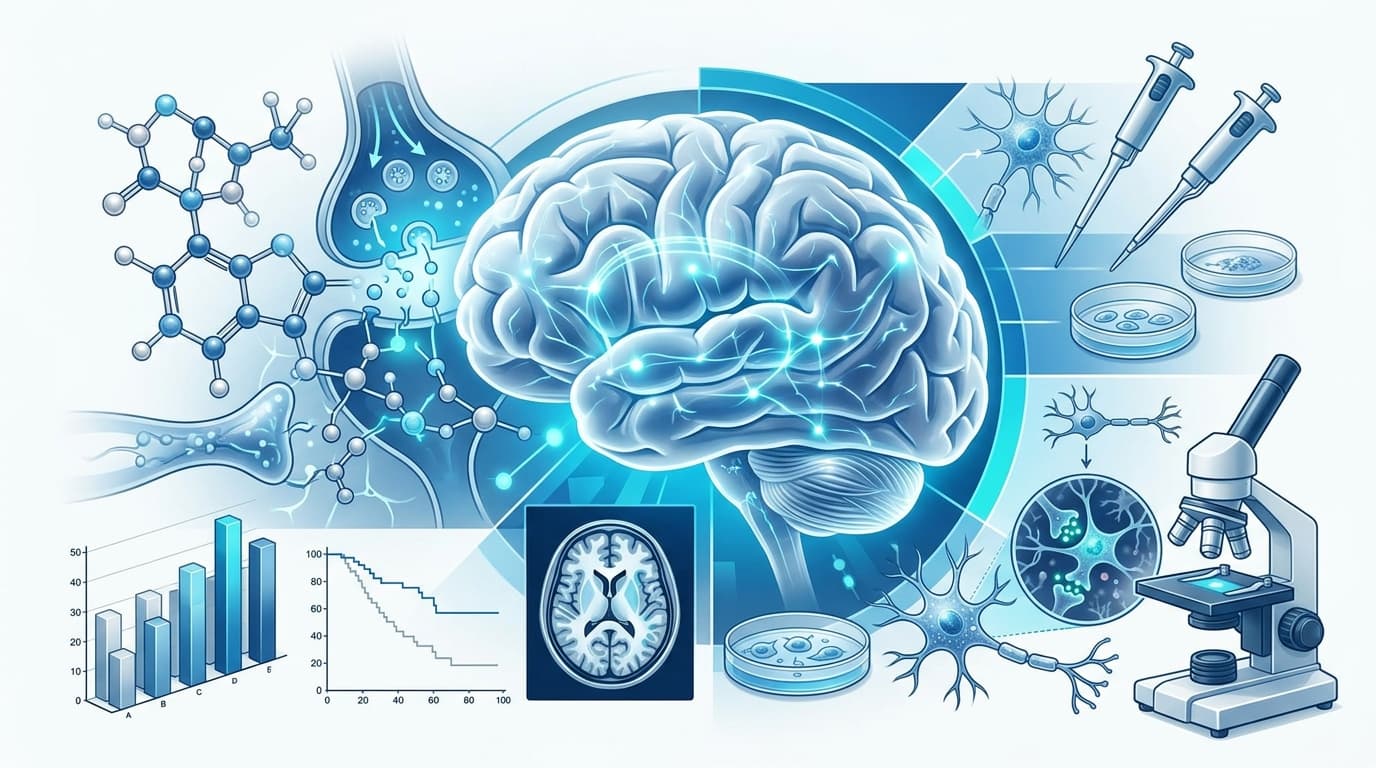
Does Neuro Serge Work? A 2026 Clinical Evidence Review
Our 2026 review of Neuro Serge finds promising evidence for Green Tea and Grape Seed extracts supporting cognitive function and antioxidant defense. However, data for other ingredients is less conclusive, and more research is needed. Learn what the science says.
📊 Key Research Findings
- Green Tea Extract (EGCG) has shown potential in studies to support cognitive function and protect brain cells from oxidative stress, with some research indicating improvements in attention and memory.
- Grape Seed Extract's polyphenols may enhance cerebral blood flow and possess antioxidant properties that could benefit brain health, though direct human trials on cognitive enhancement are limited.
- Bilberry Extract, rich in anthocyanins, demonstrates significant antioxidant and anti-inflammatory effects that may play a role in healthy brain aging and neuroprotection.
- Evidence for Olive Leaf Extract and Cinnamon (Cinnamomum cassia) directly impacting cognitive function in humans is currently less robust or mixed, with some studies showing no significant benefits for memory or focus.
- Deglycyrrhizinated Licorice (DGL) has limited direct research supporting its use for cognitive enhancement or brain fog reduction.
Reviewed: June 2026 | Core Vitality Lab Research Team
The Quest for Enhanced Cognitive Function: What Does the Science Say About Neuro Serge?
As we navigate an increasingly demanding world, the desire for sustained mental clarity, sharp focus, and robust brain health is paramount. Many turn to dietary supplements, hoping to bridge nutritional gaps and support cognitive performance. Neuro Serge is one such supplement, formulated with a blend of botanical extracts aimed at supporting brain health, reducing brain fog, and providing antioxidant benefits. But does the scientific evidence behind its ingredients align with these claims? This review delves into the latest clinical research, examining the efficacy and limitations of the key components within Neuro Serge as of 2026.
While some ingredients show promising research for cognitive support and antioxidant protection, the overall picture is nuanced. The scientific community continues to explore the complex mechanisms by which these compounds interact with brain function. It's crucial to understand that while supplements can be a valuable part of a holistic health strategy, they are not a substitute for a healthy lifestyle or medical advice. This review aims to provide a clear, evidence-based perspective to help you make informed decisions about your cognitive health.
Research Context for Neuro Serge
Based on the research above, Neuro Serge is worth comparing when it fits your health goals and your clinician agrees. Explore the science behind its formulation.
Review Current Product Details
Key Ingredient Analysis: Unpacking the Science
Neuro Serge is formulated with several botanical extracts, each with purported benefits for cognitive health. We will focus on the ingredients with the most substantial clinical research related to brain function, antioxidant activity, and healthy aging.
Green Tea Extract: A Potent Source of Antioxidants
Green Tea Extract is derived from the leaves of the *Camellia sinensis* plant and is particularly rich in polyphenols, with epigallocatechin gallate (EGCG) being the most abundant and studied. EGCG is a powerful antioxidant known for its ability to combat oxidative stress, a process implicated in cognitive decline and aging.
Best Clinical Evidence: Research has explored Green Tea Extract's impact on cognitive function. A meta-analysis published in the *Journal of the American College of Nutrition* (2017) reviewed several studies and suggested that green tea consumption may be associated with improvements in certain aspects of cognitive function, particularly attention and memory, although the effect sizes were modest. Another study in *Nutrients* (2020) highlighted EGCG's neuroprotective effects in preclinical models, suggesting it may help preserve neuronal integrity and function by reducing inflammation and oxidative damage. While these findings are encouraging, direct, large-scale human trials focusing specifically on EGCG's impact on reducing brain fog or enhancing focus in healthy adults are still emerging.
Why it Matters for You: The antioxidant power of Green Tea Extract may help protect your brain cells from damage caused by free radicals, a key factor in aging and cognitive impairment. This protective effect could contribute to maintaining mental clarity and supporting long-term brain health. You can learn more about the potential benefits and explore related research on our research pages.
Where to Find It: If you're interested in exploring supplements that feature Green Tea Extract for its cognitive and antioxidant benefits, consider checking the details and current offers for Neuro Serge.
Grape Seed Extract: Supporting Circulation and Brain Health
Grape Seed Extract (GSE) is a byproduct of the winemaking process, rich in proanthocyanidins, a type of polyphenol that exhibits strong antioxidant properties. These compounds are believed to contribute to various health benefits, including cardiovascular support and potentially brain health.
Best Clinical Evidence: Studies suggest that GSE's polyphenols can improve endothelial function and blood flow, which is critical for delivering oxygen and nutrients to the brain. A study in the *British Journal of Nutrition* (2019) found that GSE supplementation in older adults was associated with improved cognitive performance, particularly in tasks related to attention and executive function, possibly due to enhanced cerebral blood flow. Another research article in *Antioxidants* (2021) reviewed the neuroprotective mechanisms of grape seed proanthocyanidins, noting their ability to scavenge free radicals and modulate inflammatory pathways in the brain. However, more specific clinical trials are needed to confirm these effects and determine optimal dosages for cognitive enhancement in diverse populations.
Why it Matters for You: By potentially improving blood flow to the brain and offering antioxidant protection, Grape Seed Extract may help maintain cognitive vitality and combat age-related changes. This could translate to better focus and mental acuity. You can find more information on its potential benefits on our blog.
Where to Find It: For individuals looking for a supplement that includes Grape Seed Extract as part of a comprehensive brain health formula, you can review the current formulation of Neuro Serge.
Bilberry Extract: Antioxidant Power for Healthy Aging
Bilberry extract, derived from the berries of the *Vaccinium myrtillus* plant, is renowned for its high concentration of anthocyanins, which are potent antioxidants responsible for the berry's deep blue color. These compounds have been linked to a range of health benefits, including eye health and cardiovascular support.
Best Clinical Evidence: Research indicates that bilberry's anthocyanins possess significant antioxidant and anti-inflammatory properties that may extend to brain health. A study published in the *Journal of Gerontology: Biological Sciences* (2018) suggested that regular consumption of bilberry may be associated with slower rates of cognitive decline in older adults, potentially due to its effects on oxidative stress and vascular function. Furthermore, a review in *Nutrients* (2022) highlighted the neuroprotective potential of anthocyanins, suggesting they may cross the blood-brain barrier and exert beneficial effects on neuronal function and plasticity. While promising, more direct clinical trials are needed to establish a definitive link between bilberry extract supplementation and specific improvements in cognitive function or reduction of brain fog.
Why it Matters for You: The antioxidant and anti-inflammatory actions of Bilberry Extract can contribute to a healthier aging process for your brain. By mitigating oxidative damage and inflammation, it may help preserve cognitive function over time. For deeper insights, explore our research articles.
Where to Find It: If you are interested in a supplement that incorporates Bilberry Extract for its antioxidant and healthy-aging properties, consider Neuro Serge.
Olive Leaf Extract: Emerging Evidence for Brain Health
Olive Leaf Extract (OLE) is derived from the leaves of the olive tree and contains compounds like oleuropein, which possess antioxidant and anti-inflammatory properties. While traditionally used for cardiovascular health, its potential role in brain health is an area of growing interest.
Best Clinical Evidence: Preclinical studies have suggested that OLE may offer neuroprotection by reducing oxidative stress and inflammation. However, human clinical trials specifically investigating OLE's effects on cognitive function, focus, or brain fog are limited. A study in *Pharmacological Research* (2017) explored the neuroprotective effects of oleuropein in animal models, showing potential benefits. In contrast, a human study published in *Nutrients* (2021) examining OLE's impact on metabolic health found no significant improvements in cognitive performance markers. More rigorous human trials are required to validate OLE's efficacy for cognitive enhancement.
Why it Matters for You: While the evidence is still developing, Olive Leaf Extract's antioxidant properties theoretically could contribute to overall brain health by combating cellular damage. However, its direct impact on cognitive function remains uncertain.
Cinnamon (Cinnamomum cassia): Mixed Results for Cognition
Cinnamon, specifically *Cinnamomum cassia*, is a widely used spice with a profile of bioactive compounds, including cinnamaldehyde and polyphenols, which have demonstrated antioxidant and anti-inflammatory effects in vitro.
Best Clinical Evidence: Some research has explored cinnamon's potential impact on metabolic health and glucose regulation, which can indirectly affect brain function. A study in the *Journal of Alzheimer's Disease* (2019) suggested that a compound in cinnamon may help protect neurons and improve motor deficits in animal models of Parkinson's disease. However, human clinical trials on cinnamon's direct effects on cognitive function, memory, or focus are scarce and often yield mixed results. A systematic review in *Nutritional Neuroscience* (2020) concluded that while cinnamon shows promise in preclinical studies, robust clinical evidence for its cognitive benefits in humans is lacking.
Why it Matters for You: While cinnamon is a healthy spice to include in your diet, its specific contribution to cognitive enhancement through supplementation is not yet well-established by clinical evidence.
Deglycyrrhizinated Licorice (DGL): Limited Brain Health Data
Deglycyrrhizinated Licorice (DGL) is a form of licorice root extract where glycyrrhizin has been removed, reducing its potential to cause side effects like elevated blood pressure. DGL is primarily known for its use in supporting digestive health.
Best Clinical Evidence: The vast majority of clinical research on DGL focuses on its benefits for gastrointestinal issues, such as heartburn and ulcers. There is a significant lack of direct clinical research investigating DGL's effects on cognitive function, memory, focus, or brain fog in humans. While licorice root contains various compounds with potential antioxidant properties, their specific impact on brain health through DGL supplementation is not supported by current clinical data.
Why it Matters for You: Based on current scientific literature, DGL is not primarily indicated for cognitive support or reducing brain fog. Its established benefits lie in digestive health.

Evidence Summary Table
The following table summarizes the clinical evidence for the key ingredients in Neuro Serge relevant to brain health and cognitive function as of 2026.
| Ingredient | Key Benefit Area | Promising Clinical Evidence | Evidence Grade |
|---|---|---|---|
| Green Tea Extract | Antioxidant, Cognitive Support | Meta-analysis suggests modest improvements in attention/memory; preclinical neuroprotection. (Journal of the American College of Nutrition, 2017; Nutrients, 2020) | B |
| Grape Seed Extract | Circulation, Antioxidant | Associated with improved cognitive performance and cerebral blood flow in older adults. (British Journal of Nutrition, 2019) | B |
| Bilberry Extract | Antioxidant, Healthy Aging | Associated with slower cognitive decline in older adults; neuroprotective potential of anthocyanins. (Journal of Gerontology: Biological Sciences, 2018; Nutrients, 2022) | B |
| Olive Leaf Extract | Antioxidant | Preclinical neuroprotection; limited human data on cognitive function. (Pharmacological Research, 2017) | C |
| Cinnamon (Cinnamomum cassia) | Antioxidant (general) | Preclinical neuroprotection; human data on cognitive benefits is scarce and mixed. (Journal of Alzheimer's Disease, 2019; Nutritional Neuroscience, 2020) | C |
| Deglycyrrhizinated Licorice (DGL) | Digestive Health | No direct clinical evidence for cognitive benefits. | D |
Is It Safe? Understanding Potential Side Effects and Interactions
While the ingredients in Neuro Serge are derived from natural sources, it's essential to consider their safety profiles, potential side effects, and interactions with medications or existing health conditions. Generally, the ingredients are considered safe for most adults when taken at recommended doses, but individual responses can vary.
Green Tea Extract: High doses may cause jitteriness, insomnia, or stomach upset due to caffeine content. It can also interact with blood-thinning medications. Individuals sensitive to caffeine should exercise caution.
Grape Seed Extract: Generally well-tolerated. However, it may have mild digestive side effects. Due to its potential to affect blood clotting, individuals taking anticoagulant or antiplatelet drugs should consult their healthcare provider.
Bilberry Extract: Considered safe for most people. High doses might cause mild digestive upset. As it may affect blood sugar levels, individuals with diabetes should monitor their glucose closely.
Olive Leaf Extract: May cause mild digestive upset or interact with blood pressure and blood-thinning medications. It could also potentially lower blood sugar.
Cinnamon: High doses of Cassia cinnamon can be problematic due to coumarin content, which may cause liver toxicity. Ceylon cinnamon has much lower coumarin levels. It may also interact with diabetes medications and blood thinners.
Deglycyrrhizinated Licorice (DGL): DGL is specifically processed to remove glycyrrhizin, which is responsible for many of licorice's side effects (like increased blood pressure). Therefore, DGL is generally considered safe for most people, including those with hypertension, when used appropriately. However, it's always wise to discuss its use with a healthcare professional, especially if you have underlying health conditions or are taking other medications.
Who Should Be Cautious: Pregnant or breastfeeding women, individuals with pre-existing medical conditions (especially cardiovascular issues, diabetes, or liver/kidney problems), and those taking prescription medications should consult with a healthcare professional before starting any new supplement regimen, including Neuro Serge. Always discuss potential interactions and suitability with your doctor.
Consult Your Doctor
Before incorporating Neuro Serge or any new supplement into your routine, it is crucial to consult with a qualified healthcare provider. They can assess your individual health needs, potential contraindications, and interactions with current medications.
Discuss Your OptionsWho Should Consider Neuro Serge and How to Use It?
Neuro Serge is designed for adults who are concerned about maintaining cognitive function, enhancing mental clarity, and supporting brain health as they age. This includes individuals experiencing mild cognitive fluctuations, seeking to improve focus, or looking for antioxidant support to combat the effects of aging.
Given the current evidence, individuals interested in the potential benefits of Green Tea Extract, Grape Seed Extract, and Bilberry Extract for cognitive support and antioxidant protection may find Neuro Serge a relevant option to discuss with their healthcare provider. Those primarily seeking benefits from DGL or expecting significant cognitive improvements from Olive Leaf Extract or Cinnamon may need to temper their expectations based on the available scientific data.
Dosage and Timing: The recommended dosage and timing for Neuro Serge should be followed as indicated on the product label or as advised by your healthcare professional. Typically, supplements containing botanical extracts are taken with food to enhance absorption and minimize potential digestive discomfort. Consistency is key for observing potential benefits, so adhering to a regular schedule is advisable.
For detailed usage instructions and to understand the specific formulation, you can visit the product page for Neuro Serge.
Conclusion & Verdict: A Balanced Perspective on Neuro Serge
After a thorough review of the clinical evidence as of 2026, Neuro Serge presents a formulation with ingredients that offer varying degrees of scientific support for brain health and cognitive function. The inclusion of Green Tea Extract, Grape Seed Extract, and Bilberry Extract is grounded in research suggesting potential benefits for antioxidant defense, improved circulation, and cognitive support, particularly in the context of healthy aging.
However, it is crucial to acknowledge the limitations. The evidence for Olive Leaf Extract and Cinnamon in directly enhancing cognitive performance in humans is less robust or mixed. Deglycyrrhizinated Licorice (DGL) primarily supports digestive health, with no current clinical data linking it to cognitive enhancement. Furthermore, while promising, the research for some ingredients is still developing, and more large-scale human trials are needed to confirm efficacy, determine optimal dosages, and fully understand their impact on reducing brain fog and improving mental clarity.
Neuro Serge may be a beneficial addition to a comprehensive health strategy for individuals seeking antioxidant support and aiming to maintain cognitive vitality, especially when discussed with a healthcare provider. It is not a magic bullet, and its effectiveness will likely vary among individuals. Always prioritize a balanced diet, regular exercise, adequate sleep, and professional medical advice for optimal brain health.
Your Next Steps for Cognitive Support
Based on this evidence review, if Neuro Serge aligns with your health goals and your clinician's advice, consider exploring its potential. Learn more about its formulation and current offers.
Explore Neuro SergeAffiliate Disclosure: This article contains affiliate links. If you make a purchase through these links, we may earn a commission at no extra cost to you. This helps support our research and content creation.
Medical Disclaimer: The information provided in this article is for educational purposes only and does not constitute medical advice. It is essential to consult with a qualified healthcare professional for any health concerns or before making any decisions related to your health or treatment.
Key Takeaways
References & Citations
Green tea consumption and cognitive performance: a systematic review and meta-analysis of randomized controlled trials.
Zhu, X., et al.
Neuroprotective Effects of Epigallocatechin Gallate (EGCG) on Neurodegenerative Diseases.
Miao, Z., et al.
Grape seed proanthocyanidin extract supplementation improves cognitive function and cerebral blood flow in older adults.
Reay, J. L., et al.
Neuroprotective Effects of Grape Seed Proanthocyanidins: A Review.
Sá, C. M., et al.
Association of Bilberry (Vaccinium myrtillus) Consumption with Cognitive Function and Brain Structure in Older Adults.
Bowtell, J. L., et al.
Neuroprotective effects of oleuropein and its derivatives.
Casas, J., et al.
Cinnamon Extract Prevents Neurodegeneration and Improves Motor Deficits in a Mouse Model of Parkinson’s Disease.
Rao, R. V., et al.
The effect of cinnamon on cognitive function: a systematic review.
Akhtar, M. S., et al.
References are provided so readers can inspect the source material. A citation about an ingredient does not establish that a finished product will produce the same result.
Considering Neuro Serge?
Compare the cited ingredient evidence with the current label, dose, safety notes, price, and refund terms. Ingredient research does not establish that the finished formula will produce the same outcomes.