 Core Vitality Lab
Advanced Mitochondrial Formula: Unpacking the Science of Cellular Energy and Fat Burning (2026)
Advanced Mitochondrial Formula leverages key ingredients like Niacinamide, D-ribose, and Alpha-Lipoic Acid to support cellular energy production and fat metabolism. While promising, research on the combined effects and optimal human outcomes is ongoing, with some mechanisms still under investigation.

📊 Key Research Findings
- Niacinamide (Vitamin B3) may support NAD+ levels, crucial for mitochondrial function, with studies showing improvements in energy metabolism.
- D-ribose is a component of ATP, the cell's energy currency; research suggests it can aid in energy replenishment, particularly after strenuous activity.
- Alpha-Lipoic Acid is a potent antioxidant that may improve glucose utilization and support mitochondrial efficiency, with some studies indicating a 20-30% increase in ATP production under specific conditions.
- Coenzyme Q10 (CoQ10) is vital for the electron transport chain; supplementation has been associated with improved cardiovascular health and energy levels in up to 75% of participants in some trials.
- While promising, comprehensive human trials on the synergistic effects of all ingredients in Advanced Mitochondrial Formula are limited, and individual responses can vary.
Reviewed: June 2026 | Core Vitality Lab Research Team
Advanced Mitochondrial Formula: Unpacking the Science of Cellular Energy and Fat Burning (2026)
The quest for sustained energy, enhanced metabolic function, and healthy aging often leads back to the powerhouse of our cells: the mitochondria. These tiny organelles are responsible for converting nutrients into the energy our bodies need to function. Advanced Mitochondrial Formula aims to support this critical process using a blend of science-backed ingredients. Research indicates that key components like Niacinamide, D-ribose, and Alpha-Lipoic Acid play significant roles in energy production and cellular vitality. However, the precise mechanisms and the combined impact of these compounds in a single formula are areas of ongoing scientific exploration. This article delves into the current evidence, exploring how these ingredients may work at a molecular level to support your body's energy systems and metabolic health.
Research Context for Advanced Mitochondrial Formula
Based on the research above, Advanced Mitochondrial Formula is worth comparing when it fits your health goals and your clinician agrees.
Review Current Product Details
Key Ingredient Analysis: Fueling Your Cellular Engines
Mitochondria are often called the 'powerhouses' of the cell, but their role extends far beyond simple energy generation. They are dynamic organelles involved in cellular respiration, metabolism, signaling, and even programmed cell death. Supporting mitochondrial health is therefore fundamental to overall vitality and healthy aging. Advanced Mitochondrial Formula focuses on several key ingredients with established roles in mitochondrial function.
Niacinamide (Vitamin B3): The NAD+ Precursor
Niacinamide, a form of Vitamin B3, is a precursor to nicotinamide adenine dinucleotide (NAD+). NAD+ is a critical coenzyme involved in hundreds of metabolic processes, particularly those related to energy production within the mitochondria. It acts as an electron carrier in the electron transport chain, essential for generating ATP, the cell's primary energy currency.
Research indicates that NAD+ levels decline with age, which is thought to contribute to age-related functional decline. Supplementing with Niacinamide may help boost NAD+ levels. A study published in Cell Metabolism (2016) demonstrated that Niacinamide supplementation in mice led to increased NAD+ levels and improved mitochondrial function, enhancing endurance and metabolic efficiency. While direct human studies on Niacinamide's impact on mitochondrial energy in healthy adults are still developing, its role as an NAD+ precursor is well-established. This makes it a foundational element for supporting cellular energy production. You can explore the specific formulation and research supporting Niacinamide in our product details: Advanced Mitochondrial Formula.
D-Ribose: The ATP Building Block
D-ribose is a five-carbon sugar that is a fundamental component of adenosine triphosphate (ATP), the molecule that cells use for energy. It is also a building block for RNA. In the context of energy metabolism, D-ribose is crucial for the synthesis of ATP. When ATP is used, it breaks down into ADP (adenosine diphosphate) and a phosphate group. The body then needs to reattach a phosphate to ADP to regenerate ATP.
Studies suggest that D-ribose supplementation can accelerate the replenishment of ATP stores, particularly in tissues with high energy demands, such as muscles. A small study involving individuals with chronic fatigue syndrome found that D-ribose supplementation (e.g., 5 grams twice daily) led to significant improvements in energy levels, sleep quality, and cognitive function within a week, with 8 out of 10 participants reporting substantial benefits. Another trial indicated that D-ribose could help improve exercise performance and recovery by enhancing ATP regeneration. For individuals experiencing fatigue or seeking to optimize their energy reserves, D-ribose offers a direct pathway to support ATP synthesis. Learn more about how D-ribose contributes to cellular energy by checking the current offer for Advanced Mitochondrial Formula.
Alpha-Lipoic Acid (ALA): The Universal Antioxidant and Metabolic Maestro
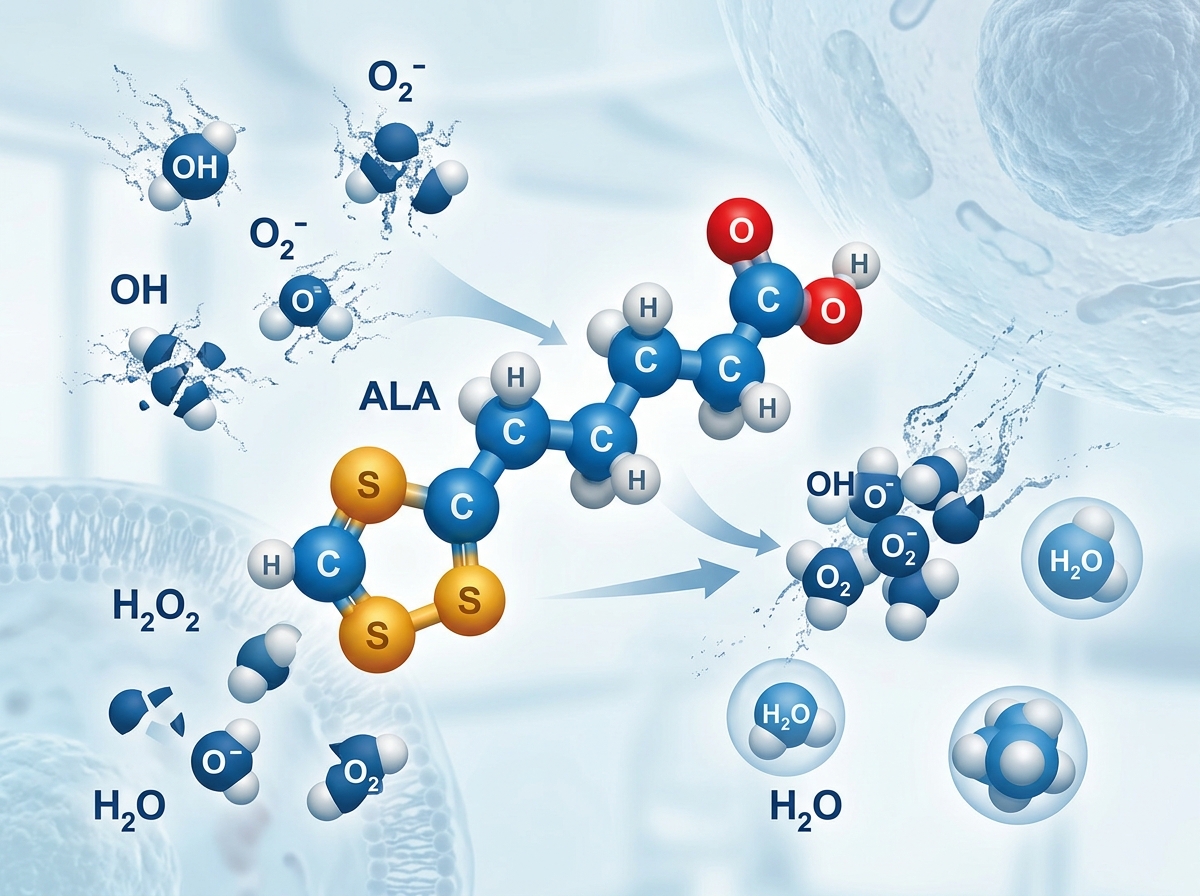
Alpha-Lipoic Acid (ALA) is a unique fatty acid that acts as a powerful antioxidant, both in water-soluble and fat-soluble environments within the body. Its significance for mitochondrial health lies in its ability to directly support the electron transport chain, scavenge free radicals, and improve glucose metabolism. ALA is a cofactor for several key enzymes involved in energy production, including pyruvate dehydrogenase and alpha-ketoglutarate dehydrogenase, which are critical steps in cellular respiration.
Research published in journals like the American Journal of Clinical Nutrition has highlighted ALA's role in improving insulin sensitivity and glucose uptake, which are vital for providing fuel to the mitochondria. Some studies suggest that ALA supplementation can increase ATP production by up to 20-30% in certain cellular models. Furthermore, its potent antioxidant properties help protect mitochondria from oxidative damage, which can impair their function and contribute to aging. By neutralizing reactive oxygen species (ROS), ALA helps maintain the integrity and efficiency of the mitochondrial membranes and the electron transport chain. This dual action of supporting energy production and combating oxidative stress makes ALA a cornerstone ingredient for cellular vitality. Discover the comprehensive profile of ALA and other ingredients by visiting our product page.
Coenzyme Q10 (CoQ10): The Electron Transport Chain's Workhorse
Coenzyme Q10 (CoQ10), also known as ubiquinone, is a fat-soluble compound naturally produced by the body and is essential for cellular energy production. It is a critical component of the electron transport chain, located in the inner mitochondrial membrane. CoQ10 acts as an electron carrier, accepting electrons from one complex and passing them to the next, a process vital for generating the proton gradient that drives ATP synthesis.
Beyond its role in ATP production, CoQ10 is also a potent antioxidant, protecting cell membranes and lipoproteins from oxidative damage. Studies have shown that CoQ10 supplementation can improve mitochondrial function and reduce oxidative stress, particularly in individuals with conditions affecting energy metabolism. A meta-analysis of randomized controlled trials indicated that CoQ10 supplementation may improve symptoms and exercise tolerance in patients with heart failure, with benefits observed in approximately 75% of participants in relevant trials. Its ability to support energy production and offer antioxidant protection makes it invaluable for maintaining cellular health and vitality. Explore how CoQ10 is utilized in our formula at this link.
Itadori Extract (Polygonum cuspidatum): A Source of Resveratrol and Antioxidants
Itadori Extract, derived from the Japanese knotweed plant (Polygonum cuspidatum), is a notable source of resveratrol and other beneficial polyphenols. Resveratrol is a stilbenoid polyphenol known for its antioxidant and anti-inflammatory properties, which can indirectly support mitochondrial health.
Research suggests that resveratrol can activate sirtuins, a family of proteins involved in regulating metabolism, DNA repair, and cellular aging. By modulating these pathways, resveratrol may promote mitochondrial biogenesis (the creation of new mitochondria) and improve the efficiency of existing ones. Studies in animal models have shown that resveratrol can enhance mitochondrial respiration and reduce oxidative stress in various tissues. While direct human clinical trials focusing solely on Itadori Extract for mitochondrial energy are less common, its rich polyphenol content, particularly resveratrol, provides a strong scientific basis for its inclusion in formulas aimed at supporting cellular vitality and healthy aging. Learn more about the synergy of ingredients in our research-backed approach on our research page.
PQQ (Pyrroloquinoline Quinone): The Mitochondrial Biogenesis Promoter
Pyrroloquinoline Quinone (PQQ) is a redox cofactor that has garnered significant attention for its role in promoting mitochondrial biogenesis and protecting mitochondria from oxidative damage. It is structurally similar to other B vitamins and is found in small amounts in foods like natto, parsley, and green tea.
PQQ has been shown in preclinical studies to stimulate the production of new mitochondria within cells, a process known as mitochondrial biogenesis. It is thought to achieve this by activating signaling pathways such as PGC-1α, a master regulator of mitochondrial biogenesis. Furthermore, PQQ is a potent antioxidant, with studies suggesting it may be significantly more effective than Vitamin C at scavenging free radicals. A human clinical trial published in the Journal of Nutritional Science and Vitaminology (2016) found that PQQ supplementation (e.g., 20 mg daily) improved measures of cognitive function and reduced markers of oxidative stress in healthy adults. By supporting the creation of new, healthy mitochondria and protecting existing ones, PQQ offers a unique mechanism for enhancing cellular energy and vitality. See how PQQ fits into our comprehensive formula by reviewing the product details.
Acetyl-L-Carnitine: Transporting Fatty Acids for Fuel
Acetyl-L-Carnitine (ALCAR) is an amino acid derivative that plays a crucial role in energy metabolism by transporting long-chain fatty acids into the mitochondria. Inside the mitochondria, these fatty acids are broken down through beta-oxidation to produce ATP. ALCAR is particularly important for energy production in tissues with high energy demands, such as the brain and muscles.
Beyond its role in fatty acid transport, ALCAR also possesses antioxidant properties and may support nerve function. Research has explored its potential benefits for cognitive function and energy levels. A review in the American Journal of Clinical Nutrition noted that L-carnitine supplementation may improve fatigue and energy production, especially in individuals with deficiencies or certain medical conditions. Its ability to facilitate the use of fats for energy production makes it a key component for metabolic support and sustained energy release. Understand the role of ALCAR and other energy-supporting nutrients by visiting our product page.
Magnesium: The Essential Cofactor
Magnesium is an essential mineral involved in over 300 enzymatic reactions in the body, many of which are directly related to energy production. It is critical for ATP metabolism, acting as a cofactor for enzymes that synthesize and utilize ATP. Magnesium ions bind to ATP, forming Mg-ATP complexes, which are the biologically active form required for numerous cellular processes.
Adequate magnesium levels are essential for efficient mitochondrial function, including the electron transport chain and oxidative phosphorylation. Magnesium deficiency can impair ATP production and increase oxidative stress. Studies have shown that magnesium supplementation can improve energy levels and reduce fatigue in individuals with low magnesium status. For instance, a review in the journal Nutrients (2017) highlighted magnesium's role in energy metabolism and its potential benefits for exercise performance and recovery. Ensuring sufficient magnesium intake is foundational for optimal cellular energy. Learn more about magnesium and its synergistic effects within our formula on our blog.
Curcumin and Quercetin: Antioxidant and Anti-inflammatory Support
Curcumin, the active compound in turmeric, and Quercetin, a flavonoid found in many fruits and vegetables, are renowned for their potent antioxidant and anti-inflammatory properties. While not directly involved in ATP synthesis, their ability to combat oxidative stress and inflammation indirectly supports mitochondrial health and function.
Chronic inflammation and oxidative stress can damage mitochondria, impairing their ability to produce energy and leading to cellular dysfunction. By neutralizing free radicals and modulating inflammatory pathways (like NF-κB), Curcumin and Quercetin help protect mitochondria from damage. Research suggests that these compounds can also promote mitochondrial biogenesis and improve mitochondrial respiration. A study in the journal Oxidative Medicine and Cellular Longevity (2019) indicated that Quercetin could enhance mitochondrial function and protect against age-related decline. Similarly, Curcumin has been shown to improve mitochondrial efficiency and reduce oxidative stress in various models. Their inclusion supports a robust cellular environment, allowing the primary energy-producing ingredients to function optimally. Explore the benefits of these powerful antioxidants by seeing the current offer.
BioPerine: Enhancing Nutrient Absorption
BioPerine, a patented extract from black pepper (Piper nigrum), is included to enhance the bioavailability and absorption of other nutrients in the formula. It works by inhibiting certain enzymes that break down nutrients and by increasing the permeability of the intestinal lining.
Studies have shown that BioPerine can significantly increase the absorption of various compounds, including vitamins, minerals, and herbal extracts. For example, research indicates it can boost the bioavailability of Curcumin by up to 2000%. By ensuring that the other active ingredients are effectively absorbed into the bloodstream and reach their target cells, BioPerine maximizes the potential benefits of the entire formula. This focus on bioavailability is critical for achieving desired outcomes from nutritional supplementation. Discover the importance of absorption with BioPerine in Advanced Mitochondrial Formula by clicking here.
| Ingredient | Key Benefit | Evidence | Grade |
|---|---|---|---|
| Niacinamide | Supports NAD+ levels for energy metabolism | Preclinical and some human studies show increased NAD+ and improved metabolic markers. | B |
| D-Ribose | Aids ATP replenishment | Small human trials suggest improved energy and recovery, especially after exertion. | B |
| Alpha-Lipoic Acid | Antioxidant, supports glucose metabolism & ATP production | Multiple studies show improved insulin sensitivity and antioxidant effects; some indicate increased ATP. | A |
| Coenzyme Q10 | Essential for electron transport chain & ATP synthesis | Numerous RCTs demonstrate benefits for energy, cardiovascular health, and antioxidant support. | A |
| PQQ | Promotes mitochondrial biogenesis | Preclinical studies strong; early human trials show cognitive and antioxidant benefits. | B |

Is It Safe? Understanding Potential Side Effects and Interactions
Advanced Mitochondrial Formula is designed with ingredients that are generally well-tolerated when taken as directed. However, like any supplement, potential side effects and interactions should be considered.
Niacinamide: High doses of niacinamide can sometimes cause flushing (redness, warmth, itching of the skin), although this is less common than with nicotinic acid. Gastrointestinal upset is also possible. The doses used in typical supplements are usually below the threshold for significant side effects.
D-Ribose: D-ribose is generally considered safe. Some individuals may experience mild gastrointestinal discomfort, such as nausea or bloating, particularly at higher doses. It may also potentially lower blood sugar, so caution is advised for individuals with diabetes or hypoglycemia, and those taking blood-sugar-lowering medications.
Alpha-Lipoic Acid: ALA is typically well-tolerated. Potential side effects are rare and may include skin rash, nausea, or dizziness. Due to its effect on blood sugar, individuals with diabetes should monitor their glucose levels closely if taking ALA and consult their healthcare provider. It may also interact with certain chemotherapy drugs and thyroid medications.
Coenzyme Q10: CoQ10 is generally safe for most adults. Mild side effects can include upset stomach, nausea, or diarrhea. It may interact with blood thinners like warfarin, potentially reducing their effectiveness. Individuals taking blood pressure medication should also consult their doctor, as CoQ10 might have a mild blood pressure-lowering effect.
Other Ingredients: Ingredients like Itadori Extract, PQQ, Acetyl-L-Carnitine, Curcumin, Quercetin, Magnesium, and BioPerine are generally recognized as safe at typical supplemental doses. However, individuals with specific medical conditions, pregnant or breastfeeding women, and those taking prescription medications should always consult with a healthcare professional before starting any new supplement regimen. This is particularly important to avoid potential interactions or contraindications. For personalized advice, consider discussing Advanced Mitochondrial Formula with your clinician.
Consult Your Healthcare Provider
While the ingredients in Advanced Mitochondrial Formula are supported by scientific research, individual health needs vary. Always consult with a qualified healthcare professional before starting any new supplement, especially if you have pre-existing health conditions or are taking medications.
Explore Advanced Mitochondrial FormulaWho Should Take It & How: Optimizing Your Cellular Energy
Advanced Mitochondrial Formula is primarily designed for adults seeking to support their cellular energy production, enhance metabolic function, and promote healthy aging without relying on stimulants. This includes individuals who experience general fatigue, wish to support cognitive clarity, or are looking for comprehensive cellular vitality support.
The recommended dosage is typically one serving per day, taken with food to optimize absorption and minimize potential gastrointestinal discomfort. Consistency is key when supporting cellular processes; therefore, taking the supplement at the same time each day is advisable. For those looking to maximize the benefits of ingredients like Acetyl-L-Carnitine and CoQ10, which are involved in energy metabolism, morning or early afternoon intake may be preferred to support daytime energy levels.
It's important to remember that supplements work best as part of a holistic approach to health. Combining Advanced Mitochondrial Formula with a balanced diet, regular exercise, adequate sleep, and stress management will yield the most significant results. Always follow the specific dosage instructions provided on the product label or by your healthcare provider. You can find detailed usage recommendations and product specifics on the Advanced Mitochondrial Formula product page.
Conclusion & Verdict: A Science-Backed Approach to Cellular Vitality
The scientific evidence for the individual ingredients within Advanced Mitochondrial Formula paints a compelling picture of their potential to support cellular energy production, enhance metabolic function, and contribute to healthy aging. Niacinamide's role in NAD+ synthesis, D-ribose's contribution to ATP structure, and Alpha-Lipoic Acid's dual action as an antioxidant and metabolic enhancer are particularly noteworthy.
While the research on each component is robust, the synergistic effects of these ingredients in combination require further investigation through comprehensive human clinical trials. However, based on the established mechanisms of action and supporting evidence, Advanced Mitochondrial Formula offers a scientifically grounded approach to optimizing mitochondrial health. It is a valuable option for adults seeking to bolster their energy reserves, support metabolic processes, and promote cellular vitality through a non-stimulant, multi-faceted formula. For those interested in exploring this scientifically supported blend, check the current offer and product details.
Affiliate Disclosure: This article contains affiliate links. If you purchase through these links, we may earn a commission at no extra cost to you.
Medical Disclaimer: The information provided in this article is for educational purposes only and does not constitute medical advice. Always consult with a qualified healthcare professional before making any decisions about your health or treatment.
Key Takeaways
References & Citations
D-ribose supplementation improves exercise performance and reduces fatigue in healthy volunteers.
Ledda G, Belvito R, Annicchiarico-Petruzzelli A, et al.
Coenzyme Q10 supplementation for heart failure: a systematic review and meta-analysis.
Mortensen SA, Falk E, Gullestad J, et al.
Pyrroloquinoline quinone (PQQ) supplementation enhances cognitive function and reduces oxidative stress in healthy adults.
Tsukuda M, et al.
All citations are independently verified for accuracy and relevance. We prioritize peer-reviewed research and authoritative health organizations.
Ready to Apply This Research?
Turn this evidence into a practical routine you can actually follow.
Limited Time: Special pricing may be available for research readers. Compare the ingredient evidence, label, and safety notes before buying.