Core Vitality Lab
The Complete Guide to Natural Liver liver support: 7 Science-Backed Strategies for daily...
Readers want a practical liver-health reset without being misled by cleanse promises. The practical answer is to build the routine first, then evaluate…

Affiliate disclosure: This article may contain affiliate links. If you buy through an official offer link, Core Vitality Lab may earn a commission at no extra cost to you.
Medical disclaimer: This content is educational and is not medical advice. Talk with a healthcare provider about symptoms, medications, pregnancy or nursing, diagnosed conditions, lab results, or major changes to your health routine.
The Complete Guide to Natural Liver liver support: 7 Science-Backed Strategies for daily...
The Complete Guide to Natural Liver liver support: 7 Science-Backed Strategies for daily...
This recovered how to keeps the useful search intent from the original archived article while replacing thin, promotional, or risky language with a clearer editorial framework. The goal is simple: help the reader make a better wellness decision without implying a supplement can replace professional care or the daily habits that carry most of the load.
Liver content should avoid cleanse and support hype. The safer angle is routine support: alcohol awareness, nutrition quality, weight management when relevant, activity, sleep, and clinician follow-up for symptoms or abnormal labs.
Quick Answer
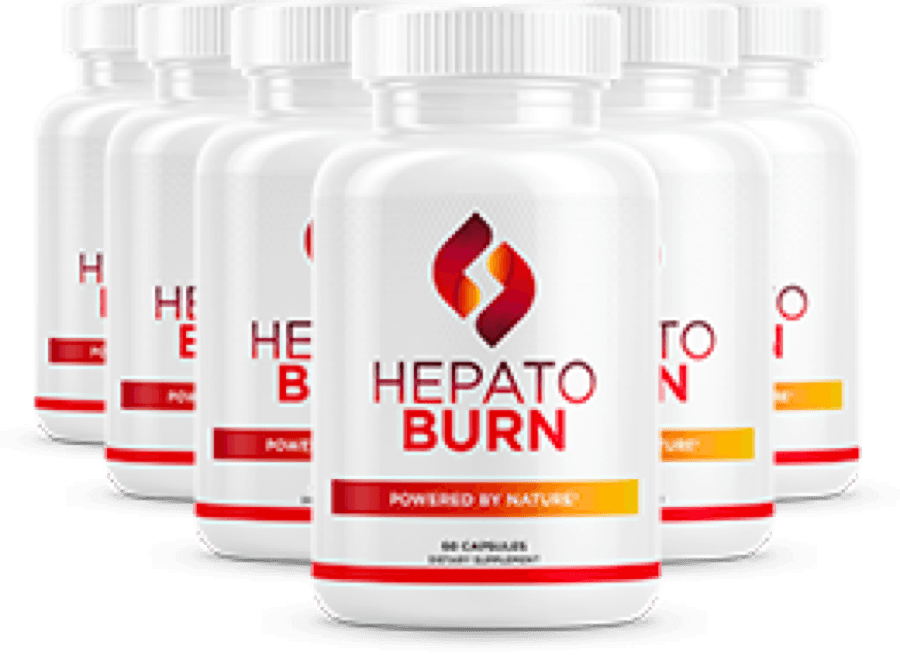
Readers want a practical liver-health reset without being misled by cleanse promises. The practical answer is to build the routine first, then evaluate HepatoBurn only as one optional tool. HepatoBurn is best evaluated as an optional liver-wellness supplement, not as a cleanse, support shortcut, or clinical-care product.
The strongest version of this topic is not a hype page. It is a decision guide that explains what matters, what is uncertain, what to track, and how to connect the article to the broader Core Vitality Lab product and research ecosystem.
Evidence Context
Public health sources are useful because they keep supplement content grounded. They also keep the article from overclaiming. Instead of saying that one product, ingredient, or plan works for everyone, this article separates habit foundations, ingredient rationale, product comparison, and situations that deserve professional input.
- NIDDK connects liver health with nutrition, alcohol use, weight patterns, and metabolic context.
- For fatty-liver contexts, NIDDK nutrition guidance emphasizes healthy eating patterns, portion awareness, and weight management when relevant.
- Milk thistle is widely promoted for liver support, but NCCIH notes that high-quality evidence is not strong enough for definite conclusions about health effects.
- A supplement can be evaluated for label clarity and fit, but it should not be positioned as clinical care or as a liver cleanse.
The reader should leave with a balanced view: there may be a reason to compare a product, but the product is not the whole strategy. Sleep, meals, movement, medication context, stress, alcohol, caffeine, oral hygiene, or symptom history may be more important depending on the topic.
Practical Routine
The routine below is intentionally boring in the best way: it focuses on repeatable behaviors that can be reviewed after two weeks. This makes the article more useful for readers and more durable for search engines than a short promotional post.
- Step 1: Use the language shift first: liver support, not support promises.
- Step 2: Build meals around protein, colorful plants, whole grains or legumes, and unsaturated fats.
- Step 3: Review alcohol intake honestly and follow clinician guidance for personal risk.
- Step 4: Use walking, resistance training, and sleep timing to support broader metabolic health.
- Step 5: Ask a clinician about jaundice, severe pain, unexplained weight change, abnormal labs, or known liver concerns.
How HepatoBurn Fits
HepatoBurn belongs in the comparison stage, not the foundation stage. A reader should first understand the main habit levers for liver wellness support; then they can decide whether a supplement or plan fits their goals, budget, sensitivities, and current health context.
Before clicking any offer, check the label, serving directions, refund policy, ingredient transparency, warning language, and whether the claims are measured. Strong supplement copy uses words such as "may support" or "is designed to support" instead of promising a fixed result.
Check the current HepatoBurn offer and label details
Decision Checklist
Use this checklist before buying or recommending any product connected with liver wellness support. It keeps the decision tied to fit rather than urgency.
- Goal fit: The product should match the reader's actual goal, not a fear-based headline.
- Label clarity: Active ingredients, serving size, directions, and warnings should be easy to find.
- Routine fit: The product should support a routine that can continue without constant motivation.
- Safety fit: Medication context, pregnancy or nursing, diagnosed concerns, and stimulant or sedative sensitivity should be reviewed carefully.
- Offer fit: Pricing, subscriptions, shipping, and refund terms should be checked on the current official offer page.
How-To Framework
A how-to article should give the reader a sequence they can follow without buying anything first. HepatoBurn can appear as a comparison option, but the steps need to stand on their own.
For liver wellness support, the best how-to structure is: choose one anchor habit, set a two-week baseline, remove obvious friction, compare products carefully, and review what changed. That makes the article more durable than a short list of generic tips.
- Pick a daily anchor that can be repeated on busy days.
- Use a weekly review instead of judging the plan after one day.
- Compare supplements by fit, label clarity, safety context, and official terms.
Who This Page Is For
It is for readers who already know the basics but need a smarter order of operations.
This reader is not served by a short list of generic tips. They need a sequence, a way to evaluate uncertainty, and a reminder that wellness content has limits. The article therefore uses official-source context, routine design, and a product-fit rubric instead of urgency, countdowns, or exaggerated result language.
Reader Scenario
A reader may be tempted to stack products or overhaul everything at once. This article helps them sequence the basics first, then compare optional support.
The best answer is not to add every supplement, diet rule, or wellness tactic at once. It is to identify the most likely friction point, choose one routine anchor, and decide whether HepatoBurn is relevant after the reader sees what the routine already changes.
Expanded Product-Fit Rubric
Use this rubric when deciding whether HepatoBurn belongs in the reader's plan. A good answer does not require every box to be perfect, but it should make the tradeoffs visible.
| Rubric Area | Good Signal | Reason to Pause |
|---|---|---|
| Goal clarity | The reader can describe the goal in one sentence and connect it to liver wellness support. | The reader is reacting to a headline, fear, or frustration without a clear routine plan. |
| Routine readiness | Meals, sleep, movement, hygiene, or tracking anchors are already started. | The product is being used to avoid the basic routine work. |
| Safety context | The reader has considered medications, sensitivities, pregnancy or nursing, diagnosed concerns, and professional guidance. | There are symptoms, lab concerns, dental issues, medication questions, or stimulant or sedative sensitivities that have not been reviewed. |
| Offer clarity | Price, shipping, refund terms, directions, and label details are checked on the current official offer page. | The decision depends on urgency language, vague discounts, or unsupported promises. |
Two-Week Implementation Plan
A two-week plan is long enough to reveal friction and short enough that the reader can start today. The first week is for observation and setup; the second week is for consistency and adjustment.
Week 1: Baseline and Setup
Pick one primary metric and two support metrics. For weight-management content, that might be meal consistency, steps, and sleep. For oral-health content, it might be brushing consistency, cleaning between teeth, and dry-mouth notes. For prostate, liver, heart, sleep, or energy content, the metrics should match the topic and stay practical.
Do not change everything at once. The reader should choose one meal template, one movement floor, one sleep timing adjustment, or one hygiene anchor. The point is to make the plan visible, not perfect.
Week 2: Review and Decide
After seven days of baseline, repeat the same anchors and look for friction. If the plan already feels impossible, simplify before adding a product. If the plan is realistic and the reader still wants extra support, compare HepatoBurn with the decision checklist above.
Use notes instead of guesses. Write down what changed, what stayed hard, what felt helpful, and what questions should go to a healthcare provider or dental professional.
Tracking Template
| Area | What to Track | Why It Matters |
|---|---|---|
| Routine | Sleep timing, meals, movement, hydration, or hygiene anchors | Shows whether the foundation is consistent before judging a product. |
| Response | Energy, appetite, digestion, oral comfort, nighttime waking, or other topic-specific notes | Helps the reader notice patterns without turning one day into a conclusion. |
| Fit | Budget, taste, directions, timing, tolerance, and friction | Even a reasonable product is a poor choice if it cannot be used consistently. |
| Professional Questions | Symptoms, lab results, medication interactions, screening, or dental concerns | Some questions should be handled by a qualified professional rather than a blog article. |
Common Mistakes to Avoid
- Avoid cleanse claims and claims about flushing toxins.
- Do not imply that a supplement resolves fatty-liver concerns or abnormal lab results.
- Check medication and pregnancy context before using herbal products.
Another common mistake is reading ingredient research as proof for a finished commercial product. Ingredient-level evidence can explain why a formula is interesting, but it is not the same as product-specific public evidence. A careful article keeps that distinction visible.
A final mistake is letting urgency drive the decision. Strong content can include an offer link, but the offer should never be the only useful part of the page. The reader should still gain a routine, checklist, and safer vocabulary even if they do not buy anything.
Related Reading
Continue with these related guides and reviews:
Frequently Asked Questions
Does the liver need a support product?
The liver already processes substances as part of normal physiology. The practical goal is to support healthy routines and get professional guidance when symptoms or lab concerns exist.
Where does HepatoBurn fit?
HepatoBurn can be compared as an optional wellness supplement by looking at label clarity, directions, safety context, and official offer terms.
Is milk thistle settled science?
No. Public guidance says evidence is limited or conflicting for several health uses, so the ingredient should be discussed cautiously.
What is the first step for liver wellness support?
Start with one repeatable habit and a short tracking window before adding supplements or extra complexity.
Should HepatoBurn be used instead of professional guidance?
No. It should be considered only as optional wellness support. Symptoms, medications, diagnosis questions, lab results, pregnancy or nursing, and major health changes should be discussed with a healthcare provider.
Official Sources and Further Reading
These sources were used to keep the article grounded in cautious public-health language: