Core Vitality Lab
How to Support Liver Health Naturally: 11 Practical Strategies
A measured liver-health guide that replaces support hype with food quality, alcohol moderation, weight management, sleep, movement, and supplement comparison.

How to Naturally support your liver: The Ultimate Guide with 11 Science-Backed Strategies
Introduction
Your liver is a powerhouse of activity, working tirelessly to filter substances your body processes, produce bile for digestion, and store essential vitamins and minerals. Yet, in our fast-paced, toxin-laden world, our livers are more burdened than ever. Many individuals experience changes in energy, digestion, or skin as reasons to review their routine and consider professional guidance.
While the concept of a "liver support" might sound like a quick fix, it's crucial to understand the science behind liver function and the most effective strategies to support it. This guide explores 11 evidence-based methods to aid liver support naturally, so you can boost your energy, improve digestion, and potentially support long-term wellness.
The Science of liver support
The liver supports through two primary phases: Phase I (oxidation) and Phase II (conjugation). Phase I involves cytochrome P450 enzymes that transform toxins into intermediate metabolites, some of which can be more toxic than their precursors. These metabolites are then neutralized in Phase II through conjugation, making them water-soluble for excretion via bile or urine.
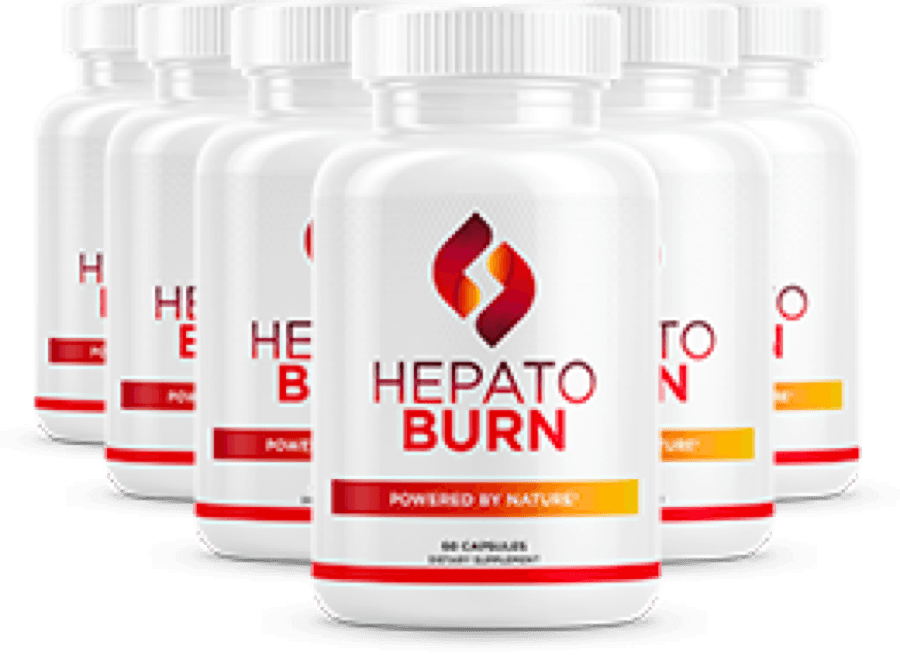
🔥 Editor's Choice: HepatoBurn
Compare the ingredient list, serving directions, and current refund policy on the official offer page.
Check Availability & Price →Check current availability on the official offer page.
In healthy individuals, these processes function automatically and are supported by a balanced diet and lifestyle. However, certain lifestyle changes and supplements can enhance these natural processes, particularly when the liver is under stress from poor diet, alcohol, or medications.
11 Science-Backed Strategies for Natural liver support
- Prioritize Hydration
Hydration is critical for liver health. Water helps in the formation of urine and bile, both of which are essential for the elimination of toxins. Aim to drink at least eight 8-ounce glasses of water daily. Starting your day with a glass of warm lemon water can enhance bile production and aid digestion. - Incorporate HepatoBurn
HepatoBurn is designed to support liver support naturally. Its formulation contains evidence-informed ingredients that enhance liver function and promote the elimination of toxins. By incorporating HepatoBurn into your routine, you can support your liver's support phases efficiently. Review Ingredient Evidence. - Adopt a Nutrient-Rich Diet
A diet rich in antioxidants and anti-inflammatory foods can support liver health. Include leafy greens, cruciferous vegetables, berries, and citrus fruits. These foods provide essential nutrients and phytochemicals that boost phase II support mechanisms. - Limit Alcohol and Medications
Alcohol and certain medications can heavily burden your liver's phase I support pathways. Limit your alcohol intake and consult with your healthcare provider about the medications you're taking to ensure they aren't causing liver stress. - Engage in Regular Exercise
Physical activity boosts circulation and enhances the body's natural support processes. Aim for at least 150 minutes of moderate aerobic exercise weekly, coupled with resistance training to support liver health. - Mind Your Stress Levels
Chronic stress can negatively impact your liver. Engage in stress-reducing activities like meditation, yoga, or nature walks. These activities can lower cortisol levels, reducing inflammation and supporting overall liver function. - Consider Supplementation
Supplements like milk thistle, NAC, and vitamin E can support liver health. Milk thistle has been shown to stabilize hepatocyte membranes and boost glutathione, a potent antioxidant. However, always consult your healthcare provider before starting any new supplement regimen. - Avoid Unregulated support Products
Many support products claim to cleanse the liver but lack evidence and can be harmful. Stick to science-backed methods and avoid unregulated products. - Ensure Adequate Sleep
Sleep is crucial for the liver's regenerative processes. Aim for 7-9 hours of quality sleep each night to allow your body to repair and support effectively. - Embrace Mindfulness Practices
Mindfulness practices such as journaling and meditation can help reduce stress and enhance your mental well-being, indirectly supporting liver health. - Follow a Mediterranean Diet
The Mediterranean Diet is rich in healthy fats, lean proteins, and a wide variety of fruits and vegetables. This diet has been shown to reduce liver fat and inflammation, supporting overall liver health.
🔥 Editor's Choice: HepatoBurn
Compare the ingredient list, serving directions, and current refund policy on the official offer page.
Check Availability & Price →Check current availability on the official offer page.
Quick Start Checklist
- Drink 8 glasses of water daily
- Incorporate HepatoBurn into your routine Check Availability
- Eat a variety of antioxidant-rich foods
- Limit alcohol and medications
- Exercise regularly (150 min/week)
- Practice mindfulness and stress reduction
In conclusion, supporting your liver through natural methods can lead to improved overall health and wellness. While the allure of quick fixes is strong, the best results come from sustainable, science-backed strategies that incorporate a balanced diet, regular exercise, and targeted supplementation like HepatoBurn.
Editorial Refresh: How to Use This Guide Safely
People search for liver support when they want to feel lighter or reset habits, but the safer framing is liver support. The liver already performs support; the practical goal is to reduce avoidable burden and support healthy routines.
This article is educational and is not medical advice. Supplements are optional tools, not substitutes for a clinician, diagnosis, prescription care, or the daily basics that create a stronger wellness routine.
Evidence Context Worth Knowing
NIDDK explains that liver health is connected with alcohol use, metabolic health, nutrition, and weight patterns.
For fatty liver contexts, NIDDK nutrition guidance emphasizes healthy eating patterns, portion awareness, and weight management when relevant.
A supplement should not be presented as a liver cleanse or clinical-care product. HepatoBurn can be compared by ingredient transparency and fit for general wellness.
Readers with jaundice, severe pain, unexplained weight change, abnormal labs, or known liver concerns should work with a clinician.
A Practical Routine You Can Actually Repeat
- Use the wording shift first: think liver support, not support promise.
- Moderate or avoid alcohol according to personal risk and clinician guidance.
- Build meals around protein, fiber-rich plants, whole-food carbohydrates, and unsaturated fats.
- Use movement for metabolic support: walking after meals and resistance training are practical starting points.
- Compare HepatoBurn by label clarity, directions, official purchase route, and refund terms rather than cleanse language.
How to Compare Supplement Options Without Hype
If you are comparing a product connected to this topic, use a buyer's checklist instead of relying on bold marketing claims. The most useful supplement page is clear about what is inside the product, how to use it, who should be cautious, and where the current refund terms can be checked.
- Does the product avoid cleanse or clinical-care promises?
- Can a reader verify the ingredient list and serving size?
- Does the article mention when liver symptoms need clinical care?
- Does the CTA route through /out instead of a raw affiliate hoplink?
For this topic, Hepatoburn is best evaluated as one option inside the broader routine above. The official offer page is the right place to verify current pricing, bundle details, directions, and refund policy before buying.
Two-Week Implementation Plan
Days 1-3: Start with observation instead of overhaul. Keep your normal routine, but write down the behaviors that most clearly affect this topic: sleep timing, meal timing, caffeine or alcohol, movement, stress, water intake, and any supplement use. This makes the next step more honest because you are changing the real routine, not the idealized one.
Days 4-7: Choose two low-friction habits from the routine above. The best pair is usually one environment habit and one body habit, such as a consistent wake time plus daily walking, or a protein-forward breakfast plus a nighttime screen cutoff. Keep the changes small enough that you can repeat them on a busy day.
Days 8-11: Review what actually changed. If energy, appetite, digestion, oral comfort, or sleep quality improved, keep the same routine another week before adding anything else. If nothing changed, simplify the plan rather than stacking more products or rules.
Days 12-14: Decide whether a supplement comparison is even necessary. If the routine is unstable, keep working on the basics. If the routine is steady and you still want extra support, compare product labels, directions, safety context, and offer terms with the same skepticism you would use for any health purchase.
Tracking Template
A simple tracking template keeps the article practical. Use one line per day and score each item from 1 to 5: sleep consistency, meal structure, movement, stress load, hydration, and how well the plan matched your real schedule. Add a short note for anything unusual, such as travel, a late dinner, poor sleep, or a skipped workout.
After seven days, look for patterns rather than perfection. A single rough day rarely explains the whole picture. Repeated patterns are more useful: late caffeine, missed meals, no daylight exposure, skipped walks, or inconsistent bedtime. Those are the levers worth changing first.
Common Mistakes to Avoid
- Changing everything at once: Big resets feel productive, but they make it hard to know what helped.
- Buying before building the routine: A supplement is easier to judge when food, sleep, and movement are already somewhat consistent.
- Ignoring safety context: Supplements can interact with medications or may not fit every person.
- Expecting a deadline result: Measured wellness support is different from a promised transformation.
- Skipping professional help: Persistent, severe, or unusual symptoms deserve qualified guidance.
How to Keep This Useful Over Time
The best version of this routine is not the most intense version. It is the version that survives normal weeks. Revisit the plan every two weeks and ask three questions: what felt easier, what created friction, and what should be removed before adding anything new?
If a habit is working, keep it boring. Consistency often looks unimpressive while it is happening: similar breakfasts, similar bedtimes, similar walks, and similar shopping lists. That repetition is useful because it lowers decision fatigue and makes changes easier to evaluate.
If a habit is not working, change the environment before blaming motivation. Put the supplement next to something you already use, schedule walking after an existing meal, set phone reminders for bedtime, or prep the first meal of the day in advance. Small setup changes often matter more than another complicated protocol.
Finally, keep the article's claims modest. A good wellness page helps readers make better decisions, compare options, and know when to ask for help. It does not need to promise a dramatic outcome to be useful.
Decision Framework Before Buying Anything
Before buying a supplement, write down the job you expect it to do in one plain sentence. If the sentence sounds like a medical claim, a promised result, or a substitute for professional help, rewrite the goal into a general wellness target. That simple filter keeps the decision more realistic.
Next, compare the product against the routine. If the routine is inconsistent, the product will be hard to evaluate. If the routine is stable, a supplement can be assessed more fairly by looking at tolerance, ease of use, directions, price, and whether the label makes sense.
Finally, set a review date. Give the routine enough time to become consistent, then decide whether to continue, pause, or simplify. This turns the buying decision into a structured experiment rather than an emotional reaction to marketing copy.
A useful review date is usually two to four weeks away for habits and longer for bigger lifestyle patterns. The point is not to force a dramatic judgment; it is to notice whether the routine became easier, whether the product was tolerable, and whether the overall plan still feels worth repeating.
If the answer is unclear, simplify rather than escalate. Remove one habit that feels heavy, keep one habit that feels easy, and keep notes for another week. A slower plan that readers can repeat is usually more valuable than a complex plan that looks impressive for one weekend and then disappears.
That same rule applies to product comparisons: keep the product only if it fits the routine, the budget, the label expectations, and the reader's comfort level.
When to Pause and Get Professional Guidance
Talk with a qualified healthcare professional if symptoms are persistent, worsening, sudden, severe, or connected to a diagnosed condition. This is especially important if you take medications, are pregnant or nursing, have abnormal lab results, or are managing a known medical issue.
Quick FAQ
Does the liver need a support product?
The liver already handles support. A safer goal is to support liver wellness through nutrition, alcohol moderation, movement, sleep, and clinician-guided care when needed.
Does HepatoBurn replace liver care?
No. It should only be discussed as a general wellness supplement option, not as clinical care.
What is the first practical step?
Start with alcohol awareness, consistent meals, daily walking, and a plan for follow-up if symptoms or abnormal lab results are present.
Suggested Reading Path
Keep moving through the most relevant Core Vitality Lab pages for this topic:
Official Sources and Further Reading
The sources below are useful for checking public-health context before making decisions about routines or supplements: