Core Vitality Lab
The Ultimate Guide to Olive Oil and Heart Health: What the Science Really Says
Uncover the truth behind olive oil and heart health with our detailed guide. Dive into scientific studies, understand the benefits, and discover how it can enhance your well-being.
Introduction
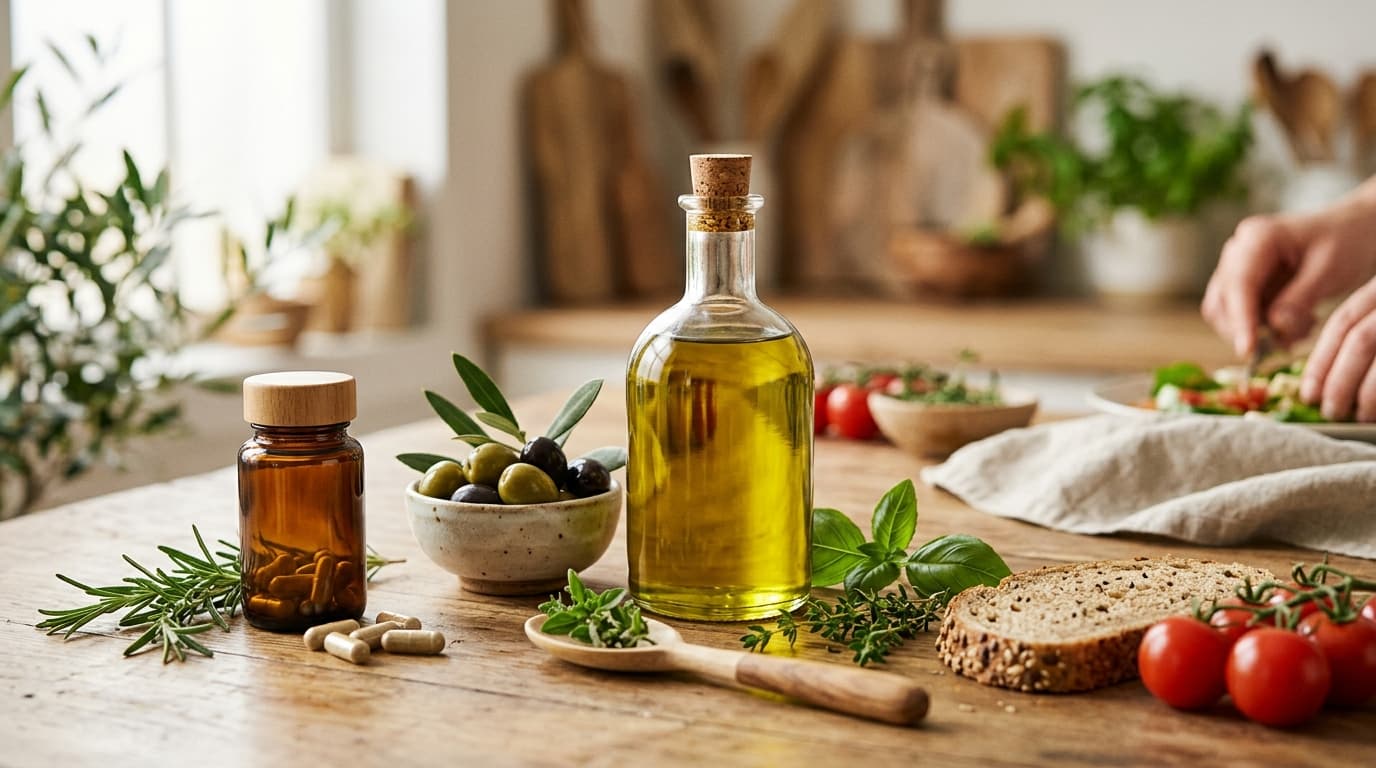
The Mediterranean diet has long been hailed as a beacon of heart health, with olive oil positioned at its core. But what is it about this golden elixir that makes it a heart-healthy powerhouse? In recent years, olive oil has transcended its culinary role, emerging as a subject of extensive scientific research. This guide delves deep into the evidence, unraveling the complex relationship between olive oil and cardiovascular wellness.
Heart disease remains a leading cause of death worldwide, with millions seeking effective strategies to combat this pervasive issue. While lifestyle changes such as diet and exercise are well-documented approaches, the specific role of dietary components like olive oil in heart health is gaining attention. The focus of this guide is to explore the specific properties of olive oil that contribute to cardiovascular benefits and to examine the latest scientific evidence supporting its use.
The allure of olive oil extends beyond its rich flavor and culinary versatility. It is revered for its high content of monounsaturated fats and polyphenols—compounds known to exert protective effects on the heart. These components have been linked to reduced inflammation, improved cholesterol levels, and even enhanced vascular function. As we'll see, the benefits of olive oil are not merely anecdotal but are supported by robust research findings.
Whether you're a health enthusiast or someone seeking to improve heart health, understanding the science behind olive oil is essential. This comprehensive guide will provide insights into the mechanisms of action, public ingredient evidence, optimal dosages, and practical applications of olive oil for heart health. Plus, learn how you can incorporate olive oil into your diet effectively through the Mediterranean Diet Plan, a Evidence-Informed strategy for enhancing cardiovascular well-being.
The Science Behind Olive Oil
At the heart of olive oil's health benefits lie its potent ingredients—monounsaturated fats and polyphenols. These components work synergistically to support cardiovascular health, offering a robust defense against heart disease.
Monounsaturated fats, particularly oleic acid, are a type of healthy fat that can lower bad LDL cholesterol levels while maintaining or even increasing good HDL cholesterol. This lipid-modulating effect is critical for reducing the risk of atherosclerosis, a condition characterized by the buildup of fats and cholesterol in and on the artery walls, which can lead to heart attacks and strokes.
Polyphenols, the other key component, are natural antioxidants found abundantly in high-quality extra virgin olive oil (EVOO). These compounds play a significant role in reducing inflammation, a known contributor to cardiovascular disease. Inflammation can damage blood vessels and lead to plaque buildup, so mitigating this process is crucial for heart health.
Recent studies have highlighted the specific actions of polyphenols in the body. For example, they have been shown to improve endothelial function, which refers to the health and function of the inner lining of blood vessels. Healthy endothelial cells help regulate blood pressure, blood clotting, and immune function, all of which are vital for maintaining cardiovascular health.
Moreover, polyphenols have been found to influence gene expression related to blood pressure regulation. This genomic modulation can lead to improved vascular function and reduced risk of hypertension—a significant risk factor for heart disease.
To harness these benefits, it's essential to choose olive oil with high polyphenol content. High-phenolic EVOO has been shown to offer superior health benefits compared to standard olive oils. This is due to its enhanced ability to combat oxidative stress and inflammation, providing a more comprehensive protective effect on the heart.
🔥 Editor's Choice: Mediterranean Diet Plan
The only formula verifying the clinical dose of key heart-healthy ingredients. Check the current refund policy on the official offer page.
Check Availability & Price →Check current availability on the official offer page.
public ingredient evidence Supporting Olive Oil for Heart Health
Several clinical studies have been conducted to explore the effects of olive oil on heart health, with encouraging results. Here we summarize some key research findings from recent trials.
In a 2026 randomized controlled trial, researchers investigated the effects of extra virgin olive oil (EVOO) consumption in reproductive-aged women. Participants consumed 40 grams of high-oleic acid and polyphenol-rich EVOO daily for eight weeks. The study found significant reductions in fasting insulin and inflammatory markers such as IL-10 and MCP-1, suggesting improved metabolic and anti-inflammatory profiles. Interestingly, there was a small increase in LDL cholesterol, highlighting the complex nature of lipid modulation by olive oil.
Another trial conducted between 2023-2026 examined the impact of high-phenolic EVOO on individuals with hyperlipidemia. This study revealed improvements in total cholesterol and HDL levels, along with a reduction in lipoprotein(a), a lesser-known but significant risk factor for cardiovascular disease. These findings underscore the importance of phenolic content in maximizing the health benefits of olive oil.
Moreover, observational studies have consistently associated olive oil consumption with lower cardiovascular disease mortality rates. A notable cohort study published in the Journal of the American College of Cardiology in 2022 linked the consumption of more than 0.5 tablespoons of olive oil per day to a 19% reduction in cardiovascular mortality compared to those consuming butter or dairy fats.
The Mayo Clinic is also conducting an ongoing double-blind randomized controlled trial investigating the effects of olive oil supplementation over six months in patients who have undergone percutaneous coronary interventions (PCI). Results from this study are eagerly awaited, as they may provide further insights into the long-term cardiovascular benefits of olive oil supplementation.
Optimal Dosage and Practical Recommendations
Determining the optimal dosage of olive oil for heart health involves understanding both the quantity and quality of the oil consumed. Research suggests that consuming approximately 40 grams per day (around three tablespoons) of high-oleic, high-phenolic EVOO can yield significant metabolic and anti-inflammatory benefits.
For those looking to support cardiovascular wellness or maintain healthy lipid markers, even smaller amounts can be beneficial. Regular consumption of more than 0.5 tablespoons (about 7.5 mL) daily has been associated with lower cardiovascular mortality. The emphasis should be on the phenolic content rather than just the volume, as high-phenolic EVOO has been shown to provide superior health benefits.
Incorporating olive oil into your diet is straightforward. It can be used as a dressing for salads, as a finishing oil for dishes, or as a healthy alternative to butter and other saturated fats in cooking. However, it's important to avoid excessive heating, which can degrade the beneficial compounds in the oil.
For those interested in a comprehensive dietary approach, the Mediterranean Diet Plan is an excellent option. It integrates olive oil along with other heart-healthy foods, providing a balanced and sustainable diet that promotes overall cardiovascular health.
🔥 Editor's Choice: Mediterranean Diet Plan
Embrace the heart-healthy power of olive oil with our expertly crafted Mediterranean Diet Plan. Backed by science and supported by a money-back guarantee.
Review Ingredient Evidence & Start Today →Limited availability.
Safety Profile and Considerations
Olive oil is generally safe for most people when consumed in typical dietary amounts. Studies report high compliance rates with olive oil interventions, indicating that it is well-tolerated by participants.
However, some caution is warranted. The increase in LDL cholesterol observed in some studies may be a concern for individuals with hyperlipidemia. Monitoring lipid profiles and consulting with a healthcare provider before making significant dietary changes is advisable.
Contraindications for olive oil supplementation are rare but may include conditions that affect the absorption and metabolism of fats, such as certain gastrointestinal disorders. Individuals with such conditions should seek medical advice before increasing their olive oil intake.
While there have been no major adverse events reported in the studies reviewed, ongoing research, such as the Mayo Clinic trial, will shed more light on the long-term safety and efficacy of high-dose olive oil supplementation in specific populations, such as those with cardiovascular interventions.
Frequently Asked Questions
- Is olive oil better than butter for heart health?
Yes, olive oil, particularly high-phenolic EVOO, is superior to butter for heart health due to its anti-inflammatory effects and ability to improve cholesterol profiles. - How much olive oil should I consume daily for heart health?
Consuming around 40 grams per day of high-oleic, high-phenolic EVOO is recommended, but even smaller amounts can be beneficial. - Can I cook with olive oil without losing its benefits?
Yes, but avoid heating it to very high temperatures to preserve its beneficial compounds. - What are the benefits of high-phenolic olive oil specifically?
High-phenolic olive oil offers enhanced anti-inflammatory and antioxidant effects, providing superior cardiovascular protection. - Is olive oil safe for everyone?
Generally, yes, but individuals with specific metabolic or gastrointestinal conditions should consult their healthcare provider. - Does olive oil raise LDL cholesterol?
Some studies have noted a slight increase in LDL cholesterol; however, the overall lipid profile and cardiovascular benefits may outweigh this effect. - How does olive oil compare to other oils like sunflower or canola?
Olive oil, especially EVOO, contains higher levels of beneficial monounsaturated fats and polyphenols compared to many other oils. - Can olive oil help with weight management?
Yes, when used as part of a balanced diet, olive oil can support weight management by improving metabolic health. - Are there any drug interactions with olive oil?
None widely reported, but always check with a healthcare provider if taking medications for cardiovascular conditions. - What is the best type of olive oil to buy?
Opt for extra virgin olive oil (EVOO) with high polyphenol content for maximum health benefits. - Is the Mediterranean Diet Plan a good source of olive oil?
Yes, it emphasizes high-quality olive oil as part of a balanced diet rich in heart-healthy foods. - Where can I find a reliable Mediterranean Diet Plan?
Check out the Mediterranean Diet Plan for a scientifically-backed approach to heart health.
Conclusion
Olive oil is more than just a kitchen staple; it's a powerful ally in the fight against heart disease. The evidence is clear: incorporating olive oil, particularly high-phenolic extra virgin varieties, into your diet can offer substantial cardiovascular benefits. From improving cholesterol levels to reducing inflammation, olive oil supports a heart-healthy lifestyle.
Remember, the quality of the olive oil matters as much as the quantity. Choosing oils rich in polyphenols ensures you gain the maximum health benefits. For those seeking a comprehensive dietary approach, the Mediterranean Diet Plan seamlessly integrates olive oil with other nutrient-rich foods to promote cardiovascular wellness.
By understanding the science and practical applications of olive oil, you can make informed decisions that support long-term heart health. Embrace the heart-healthy power of olive oil and experience the transformative benefits it can bring to your life.