Core Vitality Lab
Sleep and Weight Management: Causes, Patterns, and Natural Support
A practical guide to the sleep-weight connection, including routine design, appetite patterns, nighttime habits, and supplement comparison.

The Complete Guide to Sleep-Related Weight Gain: Causes, Symptoms & Natural Solutions (2026)
Affiliate Disclosure: This post may contain affiliate links. We earn from qualifying purchases at no extra cost to you. See our affiliate disclosure for more details.
Introduction
Imagine this: You've been diligently following your diet, hitting the gym, and tracking your calories with precision. Yet, when you step on the scale, the needle just doesn't budge — or worse, it creeps upward. Frustrated and confused, you wonder if there's something more sinister at play.
For many, the hidden saboteur of weight management isn't food or exercise — it's sleep. Sleep-related weight gain is a burgeoning issue, one that entwines the body's metabolic processes with the quality and quantity of rest. But here's the good news: understanding this relationship can unlock new pathways to weight management, turning the tide in your favor.
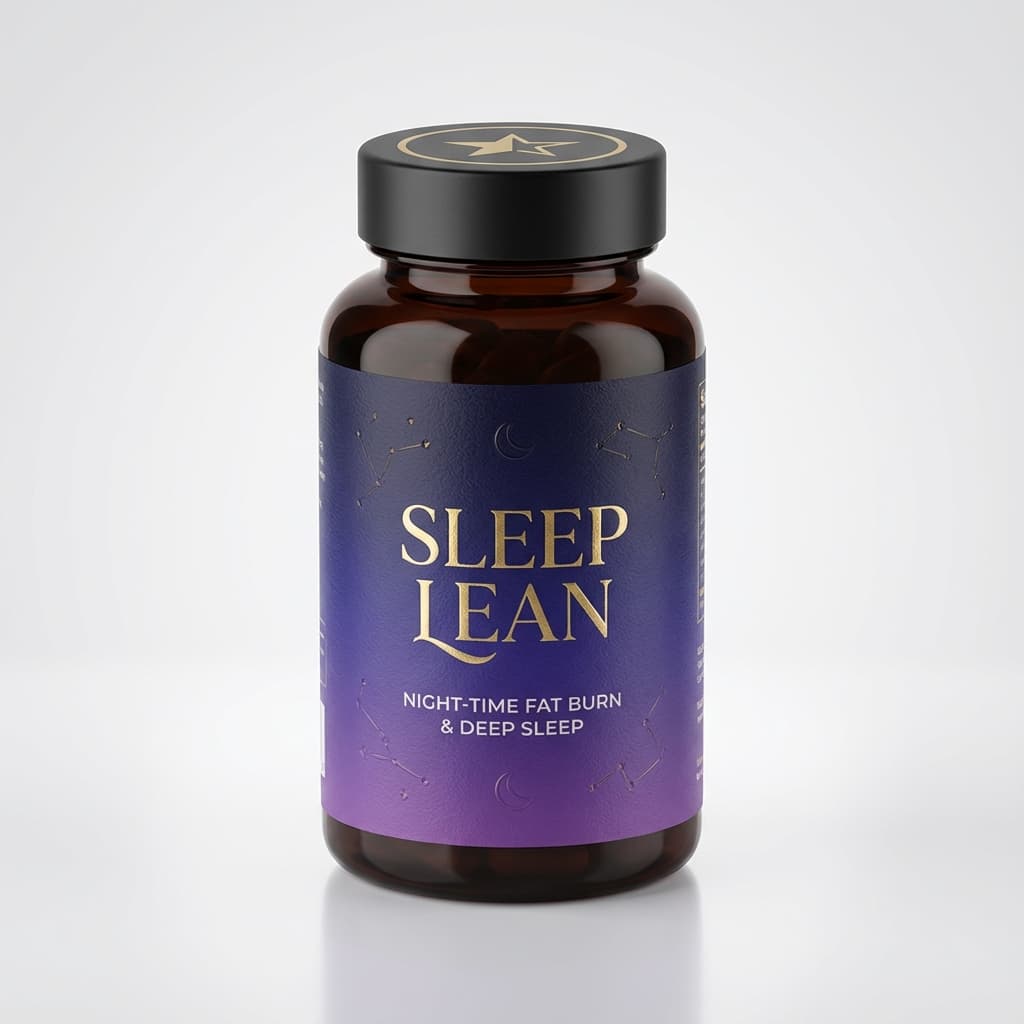
In this comprehensive guide, we'll delve into the intricate dance between sleep and weight, unearthing the reasons behind sleep-induced weight gain and how you can address it naturally. We'll explore scientific insights, public ingredient evidence, and introduce you to Sleep Lean, a revolutionary formula designed to enhance weight-management support during your most restful hours.
Understanding Sleep-Related Weight Gain
At its core, sleep-related weight gain is a multifaceted issue. It's driven by hormonal imbalances, metabolic disruptions, and behavioral changes that occur when sleep is insufficient or of poor quality. Let's break down these components:
Hormonal Dysregulation: When you skimp on sleep, the delicate hormonal balance maintaining your appetite and metabolism is disrupted. Leptin, the hormone responsible for signaling fullness, decreases. Conversely, ghrelin, the hunger hormone, surges, driving cravings and overeating.[1][3]
Metabolic Impairment: Sleep deprivation impairs insulin sensitivity, reduces resting metabolic rate, and hampers fat-burning efficiency. Elevated cortisol levels further exacerbate these effects, promoting fat storage and increasing the risk of type 2 diabetes.[2][3]
Behavioral Changes: Lack of sleep leads to fatigue, reducing your capacity for physical activity. It also alters your eating patterns, often resulting in late-night snacking and increased caloric intake during the day.[4][5]
🔥 Editor's Choice: Sleep Lean
Compare the ingredient list, serving directions, and current refund policy on the official offer page.
Check Availability & Price →Check current availability on the official offer page.
The Science Behind Sleep and Weight Gain
To fully comprehend how sleep impacts your weight, we need to take a closer look at its biological underpinnings. Sleep is a complex, dynamic process that influences nearly every system in the body, including those regulating metabolism and appetite.
Hormonal Influences: During sleep, the body undergoes various hormonal changes. The reduction in leptin and increase in ghrelin, as mentioned earlier, are pivotal in this process. These hormonal shifts lead to increased hunger and cravings for calorie-dense foods, often high in sugars and fats.[4][5]
Metabolic Pathways: Sleep deprivation affects insulin signaling and glucose metabolism, leading to decreased insulin sensitivity. This is a precursor to metabolic disorders such as type 2 diabetes. Furthermore, inadequate sleep reduces the rate at which the body burns calories at rest, known as the resting metabolic rate.[7]
Stress and Cortisol: Lack of sleep is a stressor that elevates cortisol levels. This stress hormone is associated with increased appetite and accumulation of visceral fat, which is particularly harmful and linked to metabolic diseases.[2][3]
public ingredient evidence and Research
Research has consistently shown that sleep deprivation leads to weight gain and increased obesity risk. One pivotal study highlighted that adults who sleep fewer than seven hours per night are more likely to gain weight compared to those who get adequate rest.[4]
Another study demonstrated that care for diagnosed sleep-related breathing concerns should be handled by a qualified clinician. This underscores the importance of addressing sleep disorders as a means to enhance metabolic health.[5]
Yet another body of research supports the notion that consistent sleep patterns and quality are crucial for maintaining a healthy weight. This consistency aids in regulating hormonal balance and metabolic functions.[8]
🔥 Transform Your Sleep: Sleep Lean
Sleep Lean is clinically formulated to help you support nighttime weight-management routines. Backed by a money-back guarantee.
Review Ingredient Evidence →Hurry, Check current availability on the official offer page. available.
Conventional Treatments for Sleep-Related Weight Gain
Traditional approaches to managing sleep-related weight gain focus on sleep-disorder care and lifestyle modifications. Sleep apnea, a common disorder linked to weight gain, can be managed using CPAP machines or oral appliances, which improve airway function during sleep.[5]
Behavioral therapy and cognitive therapy are other methods used to alter sleep habits and improve sleep quality. These therapies help establish healthier sleep patterns that support metabolic health.[3]
Natural Approaches to Combat Sleep-Related Weight Gain
Natural solutions provide a holistic approach to tackling sleep-related weight gain. These include dietary changes, stress management, and the use of supplements that promote restful sleep.
Dietary Interventions: Adopting a diet rich in plants, fiber, and healthy fats can significantly improve sleep quality. Foods such as nuts, olive oil, and fish are particularly beneficial. Avoiding high-sugar and processed foods is crucial for maintaining a balanced metabolism.[6]
Stress Reduction: Techniques such as meditation, yoga, and deep-breathing exercises can lower cortisol levels, reducing stress-related eating and improving sleep quality.[3]
Exercise: Regular physical activity not only boosts metabolism but also enhances sleep quality, creating a positive cycle of weight management and restful sleep.[3]
Sleep Lean Supplement: Sleep Lean is a powerful natural supplement designed to enhance sleep and weight-management support. It supports healthy metabolism and aids in achieving weight management goals by optimizing sleep quality.
When to See a Doctor
While lifestyle changes and natural solutions can effectively manage sleep-related weight gain, certain red flags warrant medical attention. Seek professional help if you experience:
- Persistent sleep disturbances affecting daily life
- Unexplained weight gain despite lifestyle changes
- Signs of sleep apnea, such as loud snoring or pauses in breathing
- Symptoms of metabolic disorders, including frequent urination or extreme thirst
Conclusion
Understanding the interplay between sleep and weight is crucial for effective weight management. By addressing the root causes of sleep-related weight gain through natural solutions and lifestyle changes, you can pave the way to a healthier and more balanced life. Remember, quality sleep isn't just about rest — it's about rejuvenation and metabolic harmony.
For those seeking an edge in their weight management journey, consider integrating Sleep Lean into your regimen. It could be the topic worth evaluating carefully you need to achieve your health goals while you sleep.
FAQs
1. Can lack of sleep really cause weight gain?
Yes, insufficient sleep disrupts hormones that regulate hunger and metabolism, leading to increased appetite and weight gain.[1][3]
2. How much sleep do I need to maintain a healthy weight?
Adults generally require 7-9 hours of sleep per night for optimal health and weight management.[8]
3. Does Sleep Lean help with weight management?
Yes, Sleep Lean is designed to enhance sleep and weight-management support, supporting weight management goals through improved sleep quality.
4. What dietary changes can improve sleep quality?
Eating a diet rich in plants, fiber, and healthy fats can enhance sleep quality. Avoiding high-sugar and processed foods is also beneficial.[6]
5. Are there any side effects of using Sleep Lean?
Sleep Lean is formulated with natural ingredients and is generally well-tolerated. However, consult a healthcare provider before starting any new supplement.
6. How does stress affect sleep and weight?
Stress increases cortisol levels, leading to poor sleep and increased appetite, contributing to weight gain.[3]
7. Can exercise improve sleep quality?
Yes, regular exercise enhances sleep quality and supports weight management by boosting metabolism.[3]
8. What is the role of cortisol in weight gain?
Elevated cortisol levels from sleep deprivation increase appetite and promote fat storage, particularly in the abdominal area.[2][3]
9. Is sleep apnea related to weight gain?
Yes, sleep apnea can disrupt sleep and metabolism, contributing to weight gain. People with possible sleep apnea should seek clinical evaluation.[5]
10. How does hormonal imbalance affect weight?
Hormonal imbalances from lack of sleep increase hunger hormones and decrease satiety hormones, driving overeating and weight gain.[1][3]
11. Can supplements replace sleep and lifestyle changes?
While supplements can support weight management, addressing sleep quality and lifestyle changes are crucial for comprehensive management.[3]
12. When should I consult a doctor about sleep-related weight gain?
Seek medical advice if you have persistent sleep issues, unexplained weight gain, or symptoms suggestive of sleep apnea or metabolic disorders.
Editorial Refresh: How to Use This Guide Safely
Sleep can affect appetite, energy, training consistency, and food choices. This guide avoids medical treatment claims and focuses on the practical patterns a reader can observe and improve.
This article is educational and is not medical advice. Supplements are optional tools, not substitutes for a clinician, diagnosis, prescription care, or the daily basics that create a stronger wellness routine.
Evidence Context Worth Knowing
NHLBI explains that insufficient sleep can affect health and is linked with higher risk patterns for obesity and blood pressure.
NIDDK includes sleep among the factors that can affect weight and health, which supports a broad routine-based approach.
A useful article should not claim that a supplement solves sleep-related weight gain. It should show how sleep timing, light exposure, caffeine, food timing, and stress interact.
Sleep Lean can be compared as one supplement option for nighttime wellness support, not as clinical care for persistent sleep symptoms.
A Practical Routine You Can Actually Repeat
- Set a consistent wake time and build bedtime backward from it.
- Create a caffeine cutoff at least eight hours before bed if sensitivity is an issue.
- Keep dinner satisfying but not chaotic: protein, fiber, and a predictable portion of carbohydrates can reduce late-night grazing.
- Reduce bright light and work stress in the final hour before sleep.
- If snoring, gasping, or severe daytime sleepiness is present, prioritize clinical evaluation instead of self-managing with supplements.
How to Compare Supplement Options Without Hype
If you are comparing a product connected to this topic, use a buyer's checklist instead of relying on bold marketing claims. The most useful supplement page is clear about what is inside the product, how to use it, who should be cautious, and where the current refund terms can be checked.
- Does the product make sleep-support claims without clinical-care promises?
- Can the reader understand the ingredient list and directions?
- Does the routine still work without buying anything?
- Are official purchase and refund terms clear?
For this topic, Sleep Lean is best evaluated as one option inside the broader routine above. The official offer page is the right place to verify current pricing, bundle details, directions, and refund policy before buying.
Two-Week Implementation Plan
Days 1-3: Start with observation instead of overhaul. Keep your normal routine, but write down the behaviors that most clearly affect this topic: sleep timing, meal timing, caffeine or alcohol, movement, stress, water intake, and any supplement use. This makes the next step more honest because you are changing the real routine, not the idealized one.
Days 4-7: Choose two low-friction habits from the routine above. The best pair is usually one environment habit and one body habit, such as a consistent wake time plus daily walking, or a protein-forward breakfast plus a nighttime screen cutoff. Keep the changes small enough that you can repeat them on a busy day.
Days 8-11: Review what actually changed. If energy, appetite, digestion, oral comfort, or sleep quality improved, keep the same routine another week before adding anything else. If nothing changed, simplify the plan rather than stacking more products or rules.
Days 12-14: Decide whether a supplement comparison is even necessary. If the routine is unstable, keep working on the basics. If the routine is steady and you still want extra support, compare product labels, directions, safety context, and offer terms with the same skepticism you would use for any health purchase.
Tracking Template
A simple tracking template keeps the article practical. Use one line per day and score each item from 1 to 5: sleep consistency, meal structure, movement, stress load, hydration, and how well the plan matched your real schedule. Add a short note for anything unusual, such as travel, a late dinner, poor sleep, or a skipped workout.
After seven days, look for patterns rather than perfection. A single rough day rarely explains the whole picture. Repeated patterns are more useful: late caffeine, missed meals, no daylight exposure, skipped walks, or inconsistent bedtime. Those are the levers worth changing first.
Common Mistakes to Avoid
- Changing everything at once: Big resets feel productive, but they make it hard to know what helped.
- Buying before building the routine: A supplement is easier to judge when food, sleep, and movement are already somewhat consistent.
- Ignoring safety context: Supplements can interact with medications or may not fit every person.
- Expecting a deadline result: Measured wellness support is different from a promised transformation.
- Skipping professional help: Persistent, severe, or unusual symptoms deserve qualified guidance.
How to Keep This Useful Over Time
The best version of this routine is not the most intense version. It is the version that survives normal weeks. Revisit the plan every two weeks and ask three questions: what felt easier, what created friction, and what should be removed before adding anything new?
If a habit is working, keep it boring. Consistency often looks unimpressive while it is happening: similar breakfasts, similar bedtimes, similar walks, and similar shopping lists. That repetition is useful because it lowers decision fatigue and makes changes easier to evaluate.
If a habit is not working, change the environment before blaming motivation. Put the supplement next to something you already use, schedule walking after an existing meal, set phone reminders for bedtime, or prep the first meal of the day in advance. Small setup changes often matter more than another complicated protocol.
Finally, keep the article's claims modest. A good wellness page helps readers make better decisions, compare options, and know when to ask for help. It does not need to promise a dramatic outcome to be useful.
Decision Framework Before Buying Anything
Before buying a supplement, write down the job you expect it to do in one plain sentence. If the sentence sounds like a medical claim, a promised result, or a substitute for professional help, rewrite the goal into a general wellness target. That simple filter keeps the decision more realistic.
Next, compare the product against the routine. If the routine is inconsistent, the product will be hard to evaluate. If the routine is stable, a supplement can be assessed more fairly by looking at tolerance, ease of use, directions, price, and whether the label makes sense.
Finally, set a review date. Give the routine enough time to become consistent, then decide whether to continue, pause, or simplify. This turns the buying decision into a structured experiment rather than an emotional reaction to marketing copy.
A useful review date is usually two to four weeks away for habits and longer for bigger lifestyle patterns. The point is not to force a dramatic judgment; it is to notice whether the routine became easier, whether the product was tolerable, and whether the overall plan still feels worth repeating.
If the answer is unclear, simplify rather than escalate. Remove one habit that feels heavy, keep one habit that feels easy, and keep notes for another week. A slower plan that readers can repeat is usually more valuable than a complex plan that looks impressive for one weekend and then disappears.
That same rule applies to product comparisons: keep the product only if it fits the routine, the budget, the label expectations, and the reader's comfort level.
When to Pause and Get Professional Guidance
Talk with a qualified healthcare professional if symptoms are persistent, worsening, sudden, severe, or connected to a diagnosed condition. This is especially important if you take medications, are pregnant or nursing, have abnormal lab results, or are managing a known medical issue.
Quick FAQ
Can poor sleep affect appetite?
It can. Many people notice stronger cravings, lower activity, and less consistent meal choices after short or irregular sleep.
Does Sleep Lean replace clinical sleep care?
No. Symptoms such as gasping, persistent sleeplessness, or severe daytime sleepiness should be discussed with a clinician.
What is the simplest starting point?
Pick a consistent wake time, set a caffeine cutoff, and create a 30-minute wind-down routine for two weeks before judging the plan.
Suggested Reading Path
Keep moving through the most relevant Core Vitality Lab pages for this topic:
Official Sources and Further Reading
The sources below are useful for checking public-health context before making decisions about routines or supplements: